Are you a freelancer or independent contractor? If so, you may have come across the W9 form when working with clients. Understanding your tax classification is crucial for filling out this form correctly and avoiding any issues with the IRS.
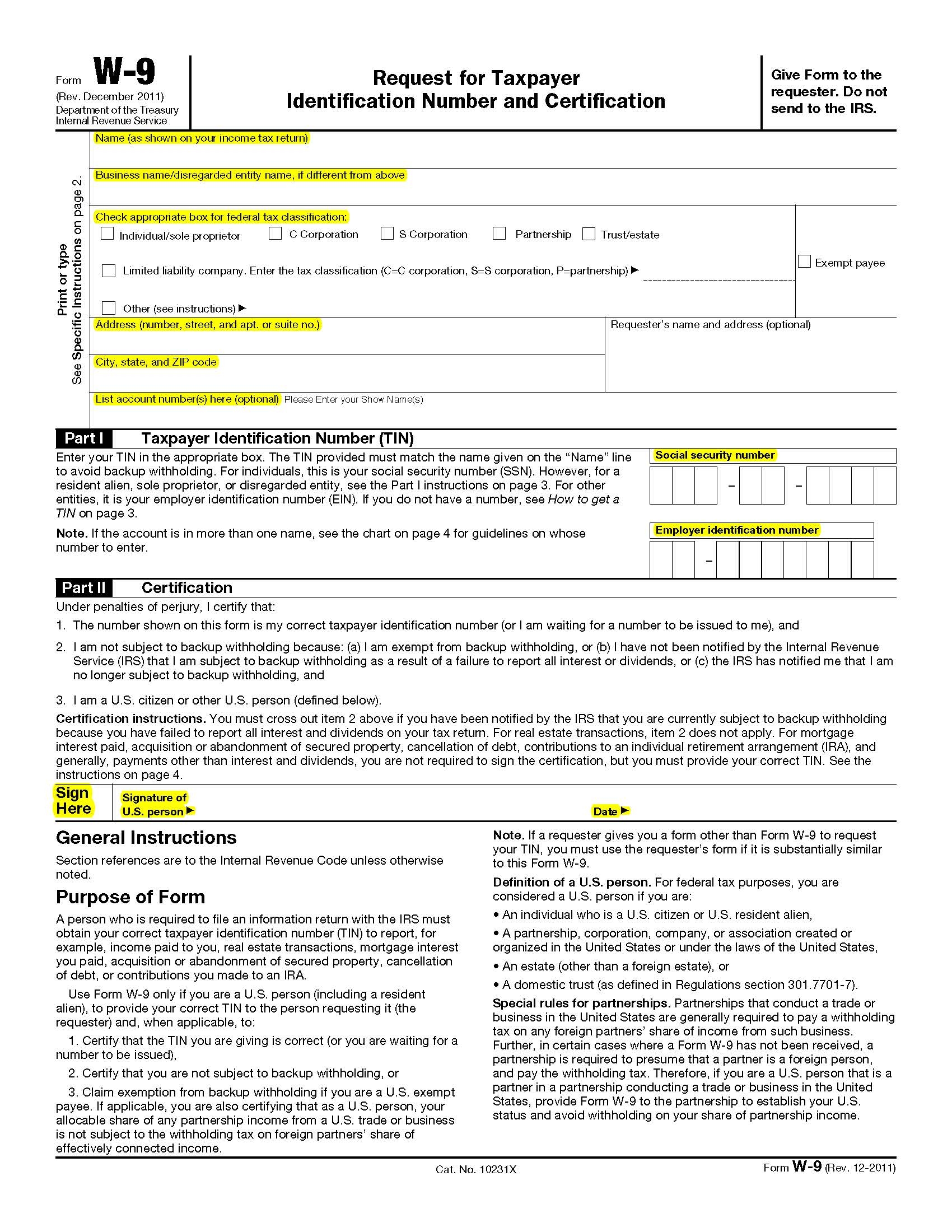
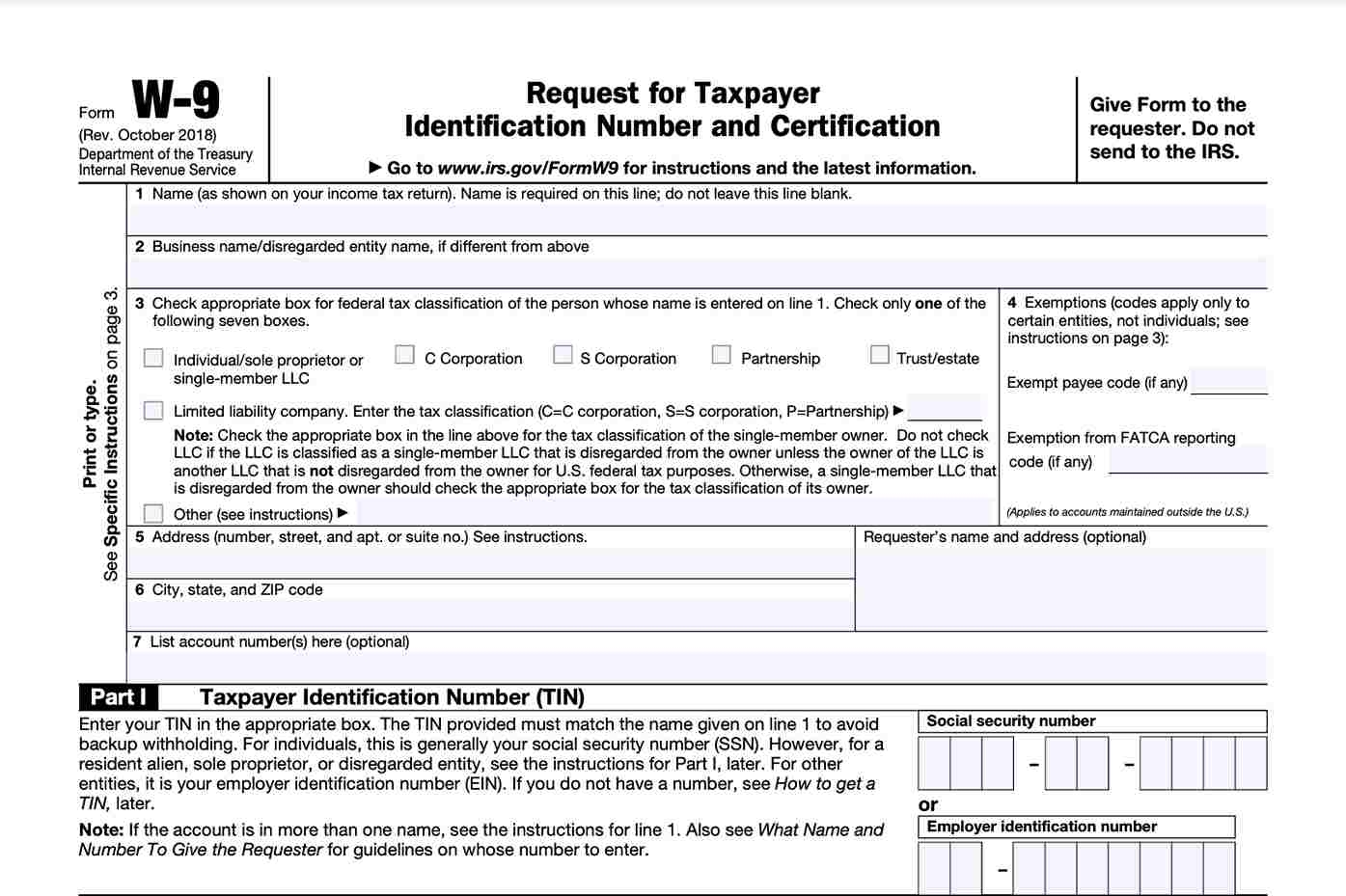
When it comes to the W9 form tax classification, there are a few options to choose from. The most common classifications for freelancers and independent contractors are sole proprietor, LLC, S corporation, and C corporation. Each classification has its own tax implications, so it’s essential to know which one applies to you.
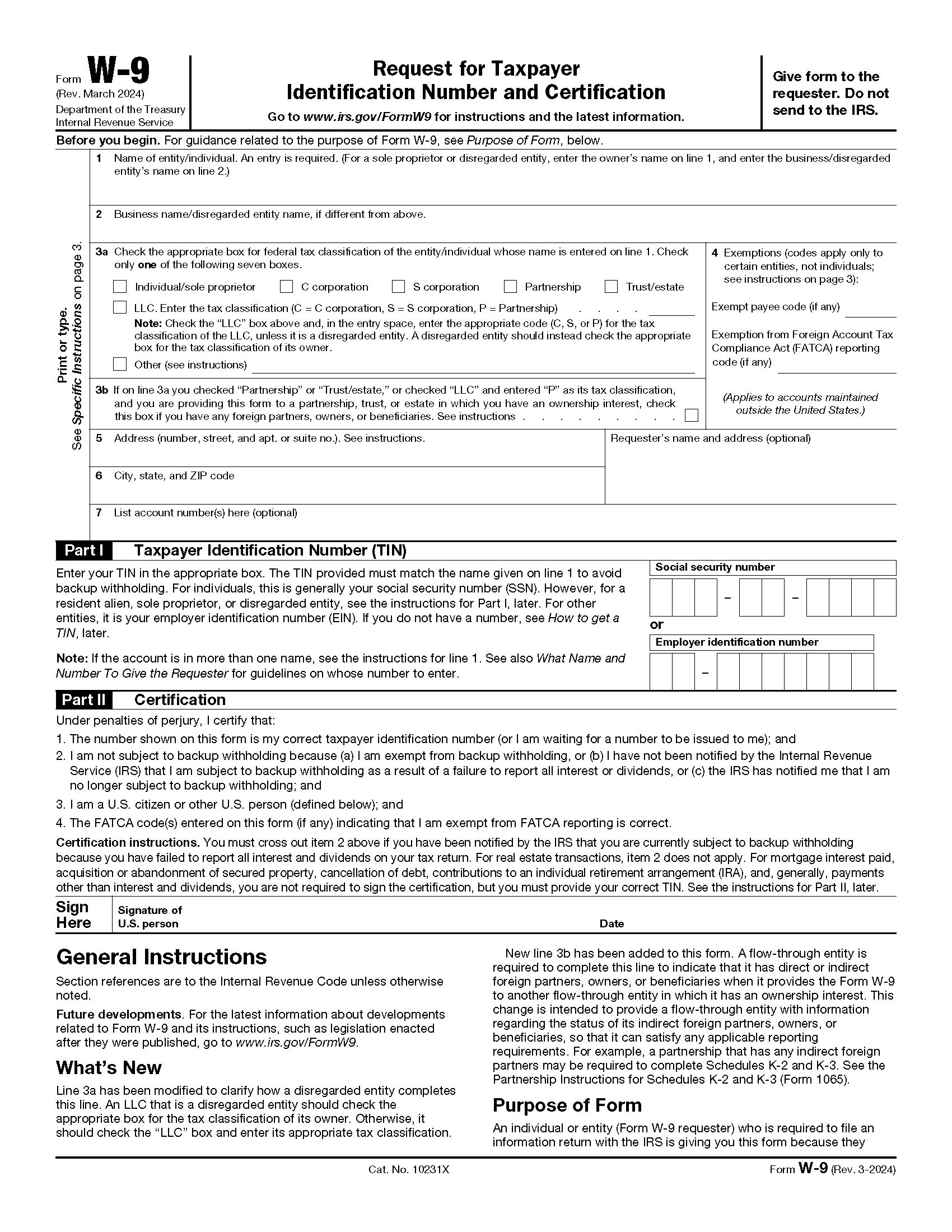
W9 Form Tax Classification
The Importance of Choosing the Right Tax Classification on the W9 Form
Choosing the correct tax classification on the W9 form is crucial because it determines how your income will be taxed. For example, if you classify yourself as a sole proprietor, you will report your income and expenses on Schedule C of your tax return.
On the other hand, if you classify yourself as an S corporation, you will need to file a separate tax return for your business. This can affect how much you pay in taxes and how you can deduct business expenses. It’s essential to consult with a tax professional to determine the best classification for your situation.
In conclusion, understanding your tax classification on the W9 form is essential for freelancers and independent contractors. By choosing the right classification, you can ensure that you are complying with IRS regulations and maximizing your tax benefits. If you’re unsure about which classification to choose, seek advice from a tax professional to avoid any potential issues down the road.
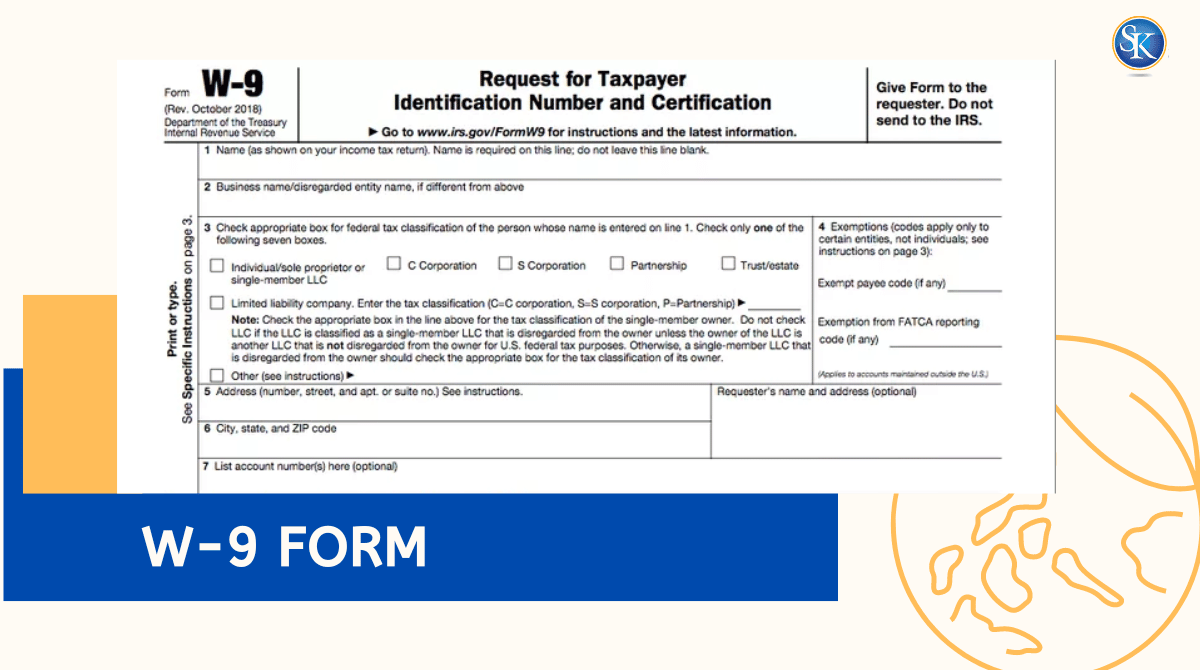
What Is A W 9 Form How To File And Who Can File
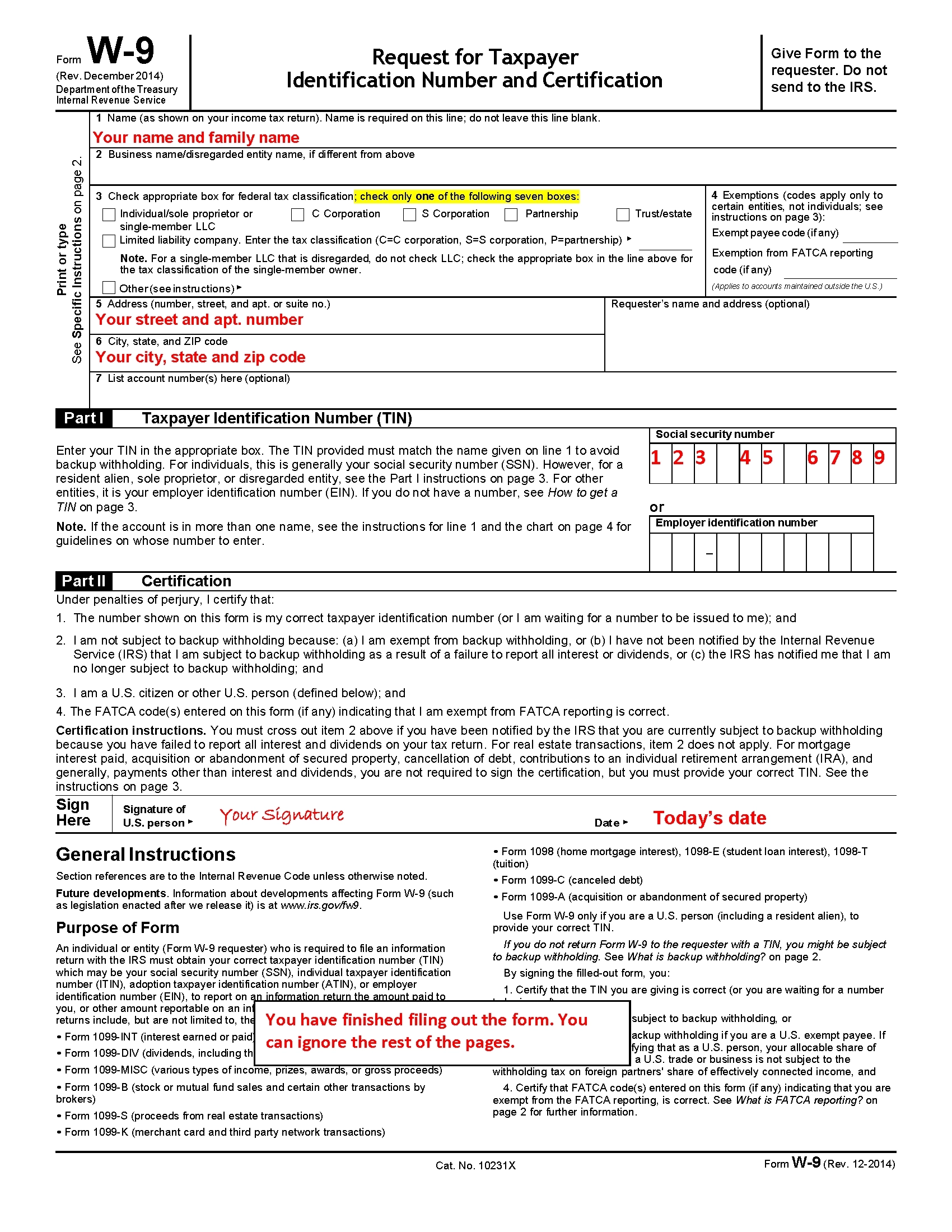
W 9 Form Filing Philip Stein amp Associates
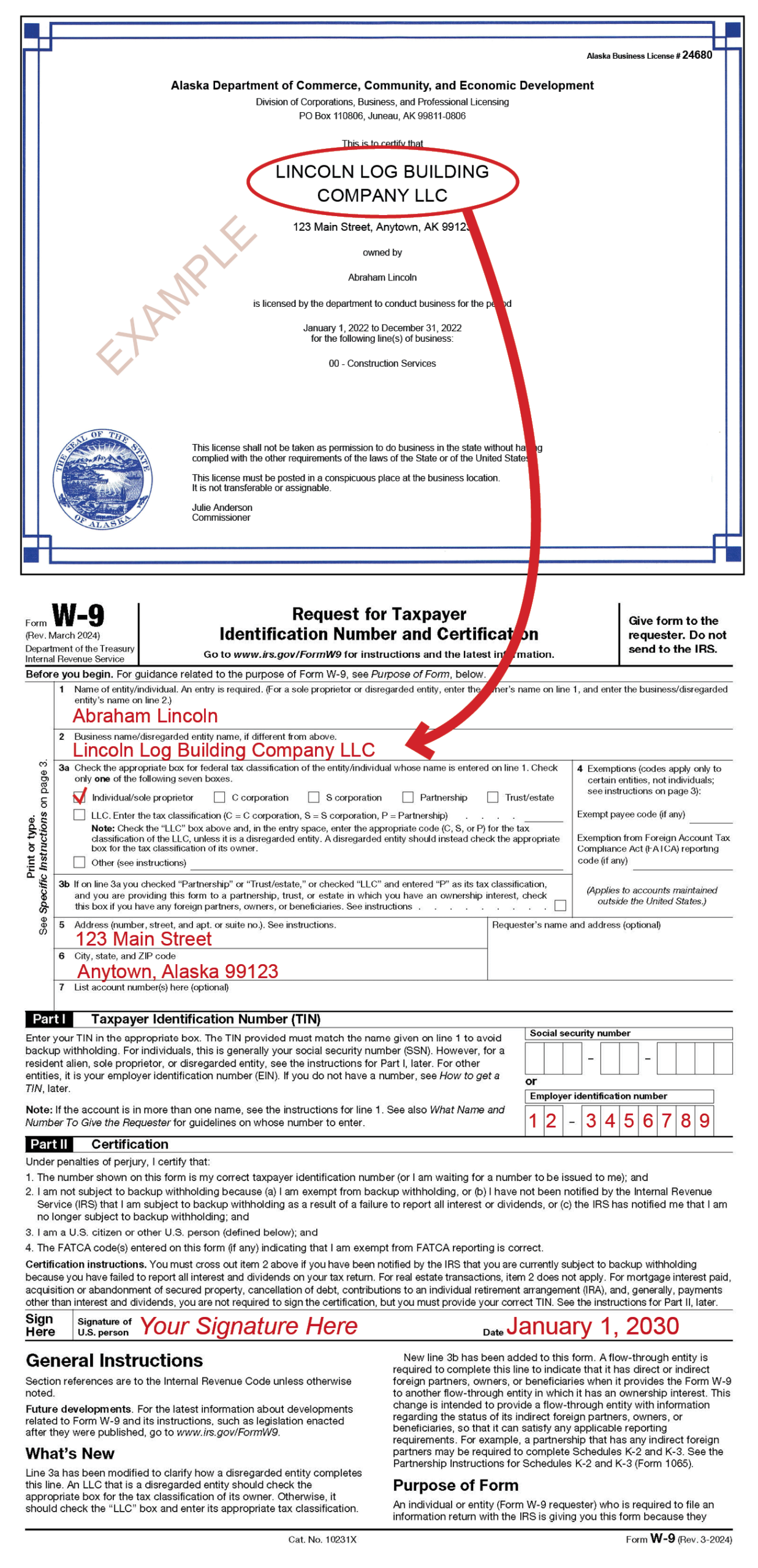
W 9 Tips Thread
The W 9 Requirement Libsyn
Form W 9 And Taxes Everything You Should Know TurboTax Tax