Are you in the process of buying or selling a business? Understanding Form 8594 Classes Of Assets is crucial for ensuring a smooth transaction. This form helps classify the assets being transferred, which can impact tax implications for both parties involved.
When filling out Form 8594, it’s essential to accurately categorize the assets into specific classes. These classes include assets such as cash, inventory, tangible property, intangible property, and more. Properly identifying these classes is key to determining how the sale will be treated for tax purposes.
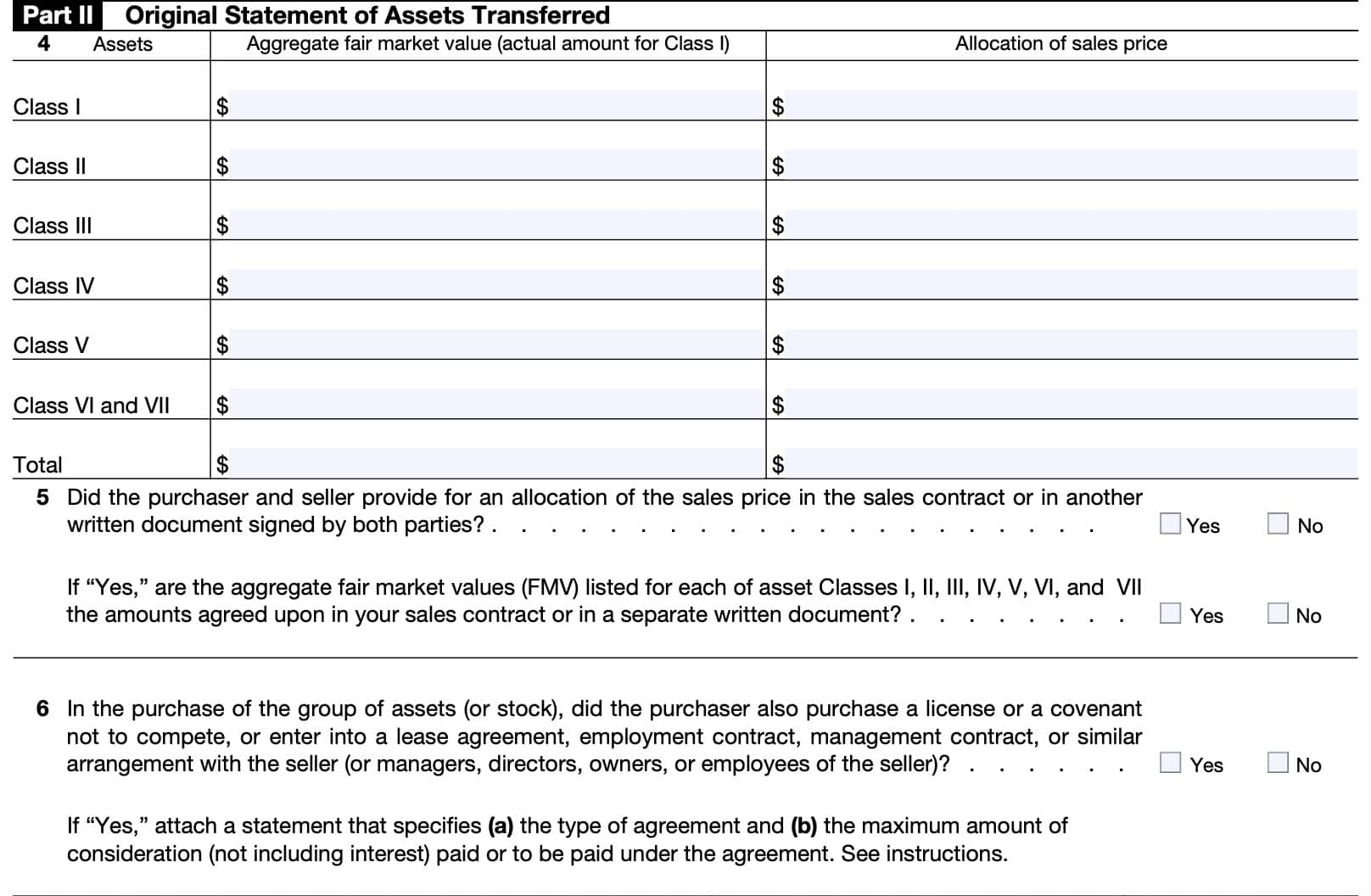
Form 8594 Classes Of Assets
Form 8594 Classes Of Assets
Each asset class has its own rules and regulations regarding depreciation, amortization, and capital gains. By correctly completing Form 8594, both the buyer and seller can avoid potential disputes and ensure compliance with IRS guidelines. This form serves as a roadmap for allocating the purchase price among the different asset classes.
It’s crucial to work closely with a tax professional or accountant when dealing with Form 8594. They can provide expert guidance on how to properly classify assets and navigate any complexities that may arise during the transaction. Taking the time to get this right can save both parties time and money in the long run.
In conclusion, Form 8594 Classes Of Assets plays a vital role in business acquisitions and sales. By understanding the different asset classes and accurately completing this form, you can mitigate tax risks and ensure a successful transaction. Don’t hesitate to seek professional assistance to ensure compliance and avoid potential pitfalls.
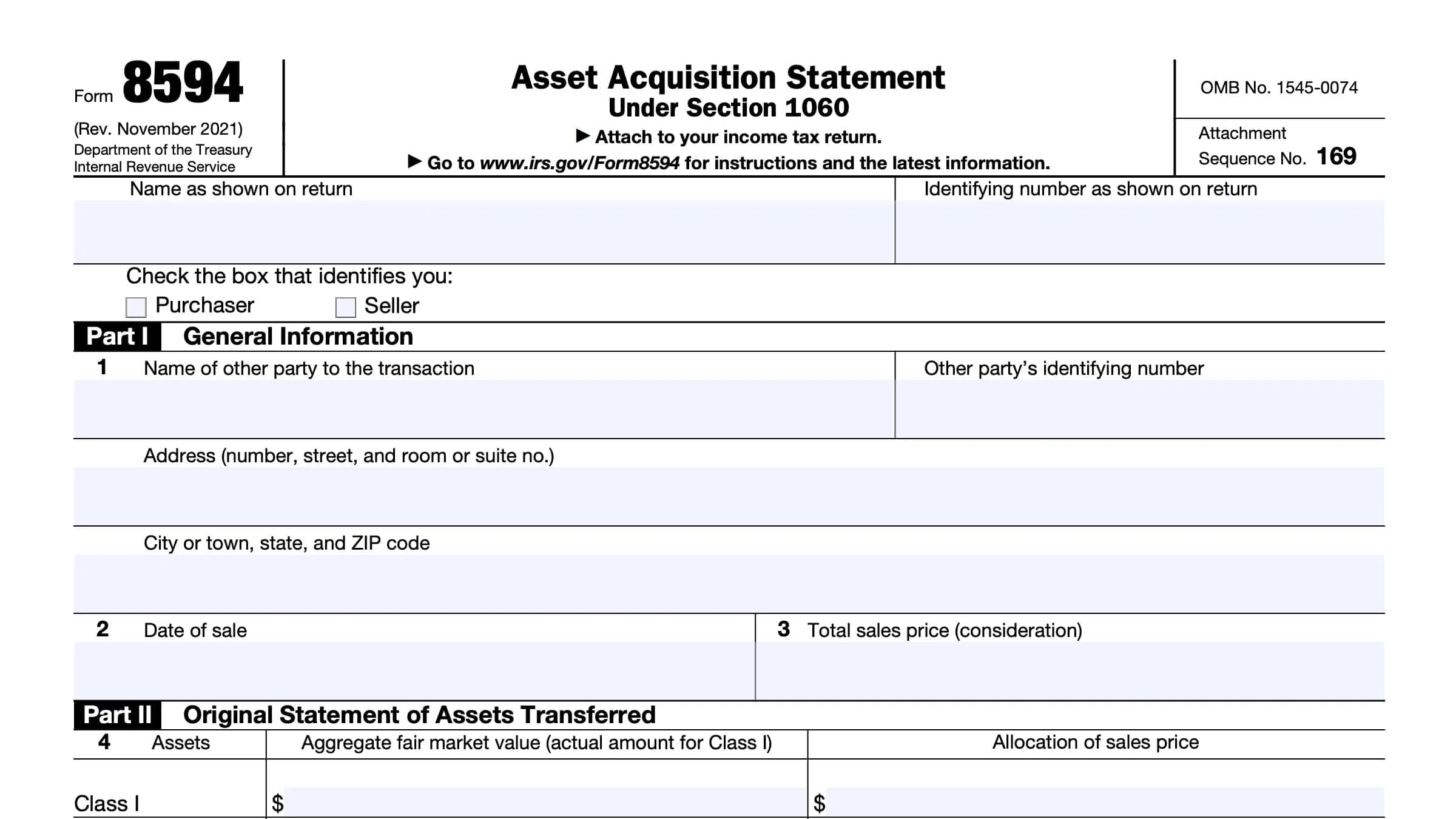
IRS Form 8594 Instructions Asset Acquisition Statement
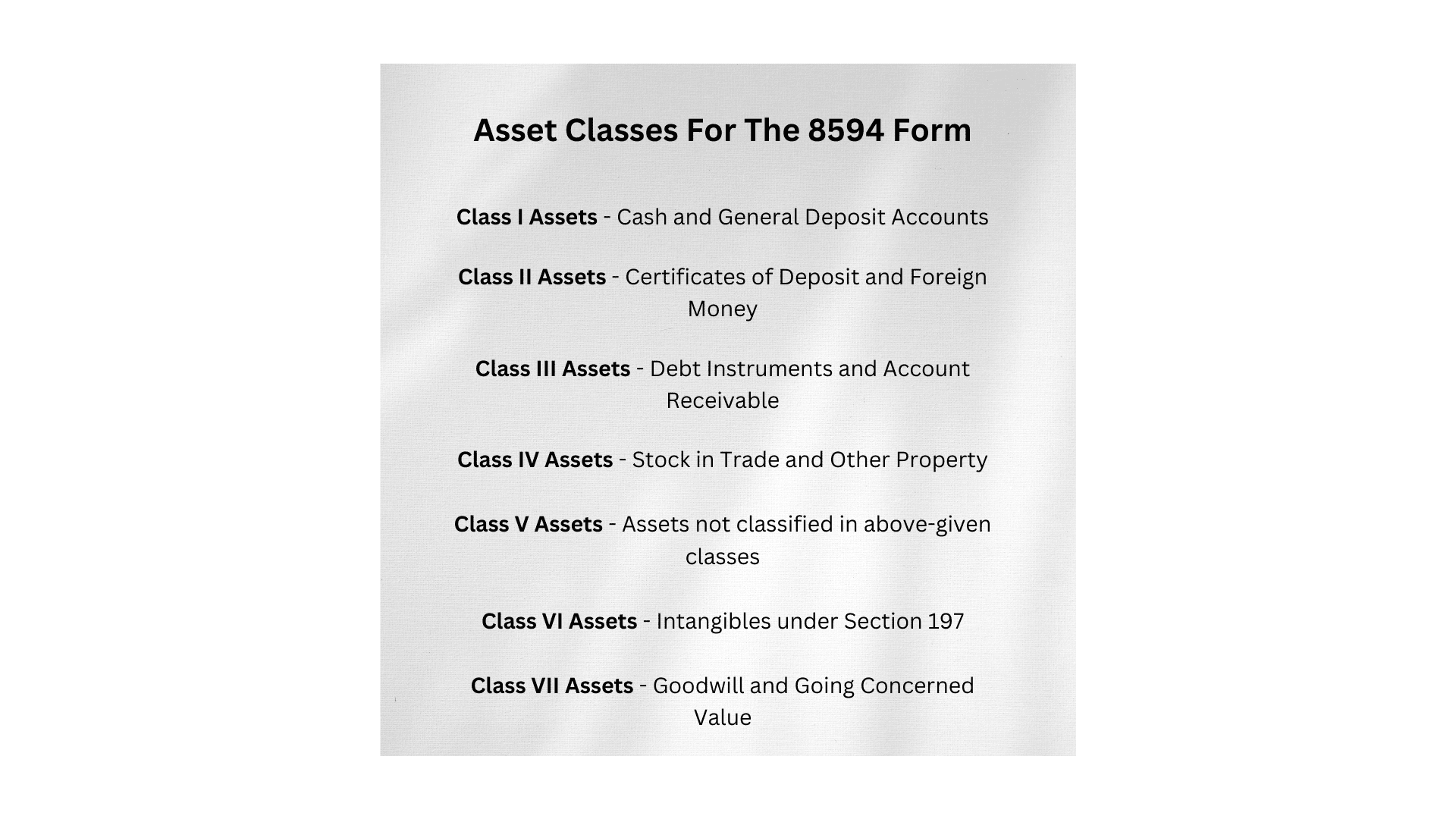
8594 Form Instructions IRS Form 8594 Instructions 2024
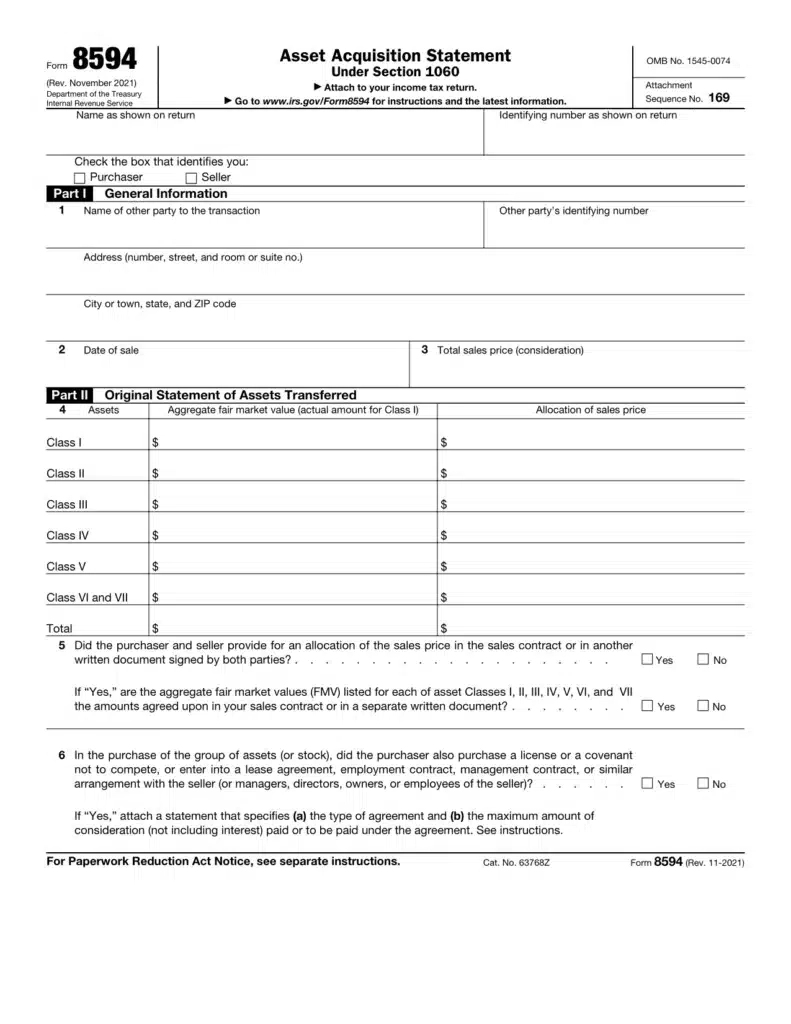
8594 Form Instructions IRS Form 8594 Instructions 2024
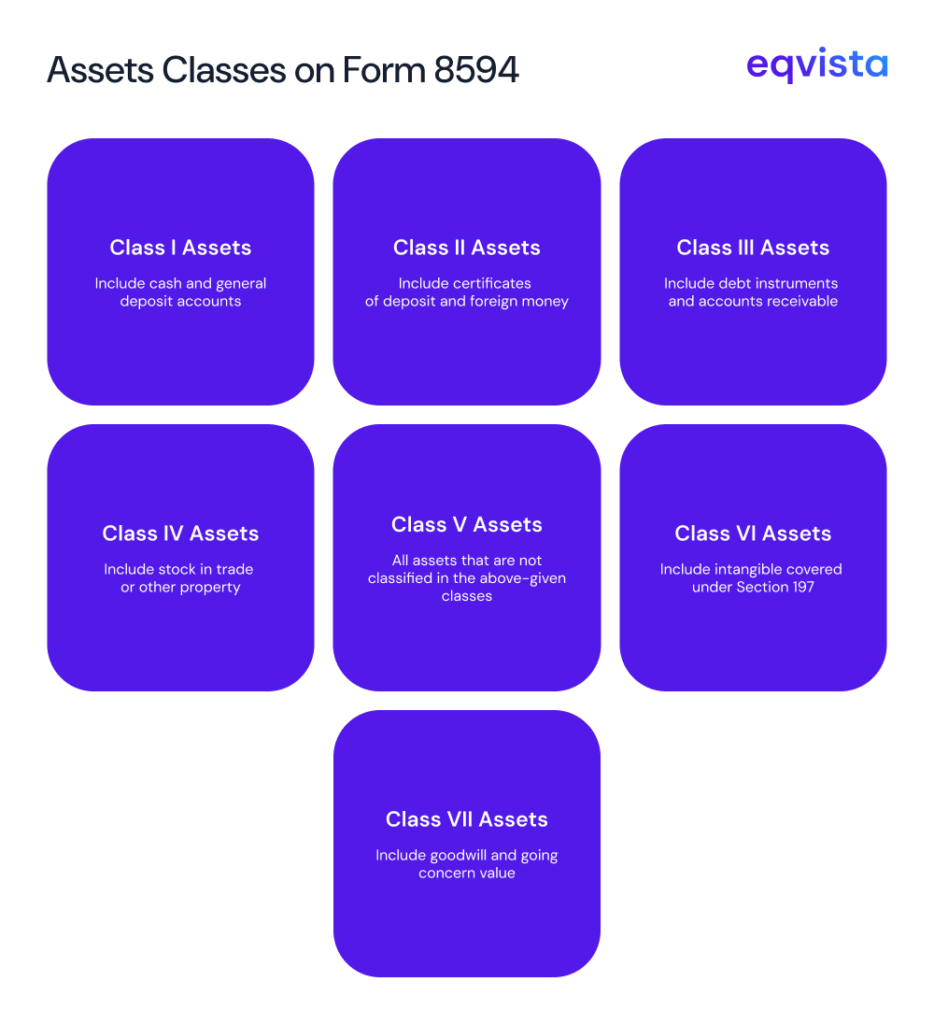
Form 8594 Everything You Need To Know Eqvista
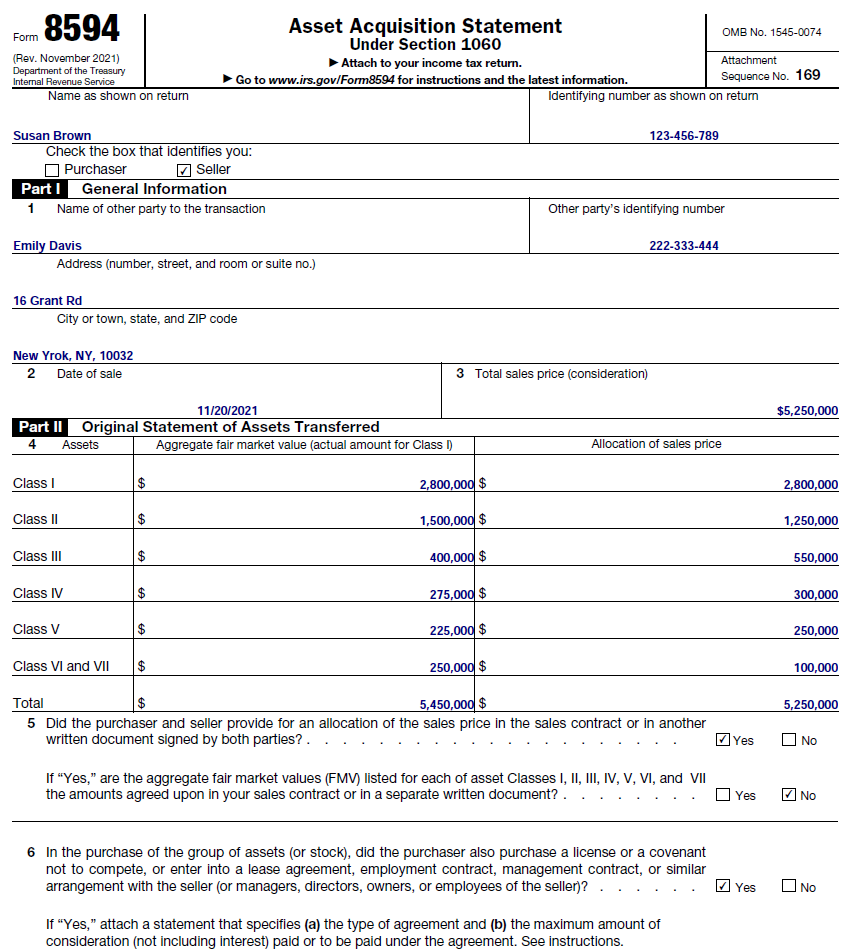
File Form 8594 Eqvista