When it comes to estate planning, understanding tax forms like IRS Form 706 Schedule A is crucial. This form is used to report real estate, stocks, bonds, and other assets that are included in the decedent’s gross estate.
Completing IRS Form 706 Schedule A accurately is vital to ensure that the estate pays the correct amount of estate tax. This form helps determine the value of the assets subject to estate tax, which can significantly impact the overall tax liability.
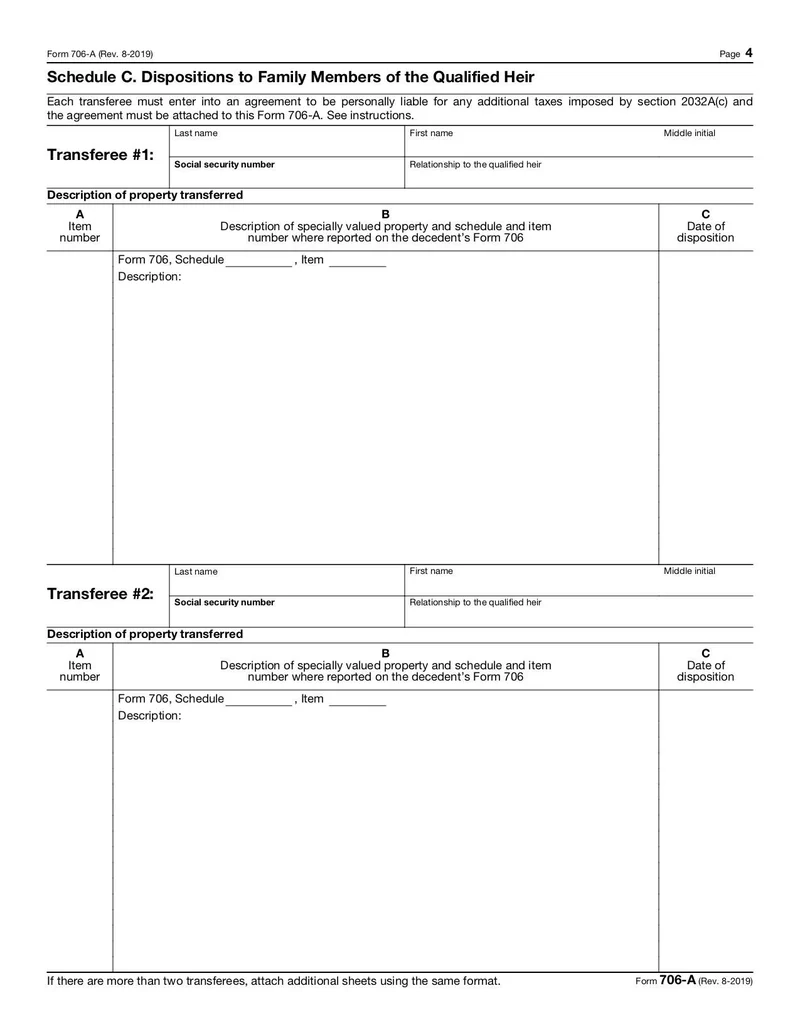
Irs Form 706 Schedule A
What is IRS Form 706 Schedule A?
IRS Form 706 Schedule A requires detailed information about various assets, such as real estate and securities. Executors must provide descriptions, values, and other pertinent details to accurately assess the estate’s value for tax purposes.
It’s essential to consult with a tax professional or estate planning attorney when completing IRS Form 706 Schedule A to ensure compliance with tax laws and regulations. Mistakes on this form can lead to delays in the estate settlement process and potential penalties.
By understanding the purpose and requirements of IRS Form 706 Schedule A, executors can navigate the estate tax filing process more effectively. Properly valuing assets and accurately reporting them on this form can help minimize tax liabilities and ensure a smooth settlement for beneficiaries.
In conclusion, IRS Form 706 Schedule A plays a vital role in the estate tax filing process. Executors must carefully complete this form to accurately report the value of assets included in the decedent’s estate. Seeking professional guidance can help simplify the process and ensure compliance with tax laws.
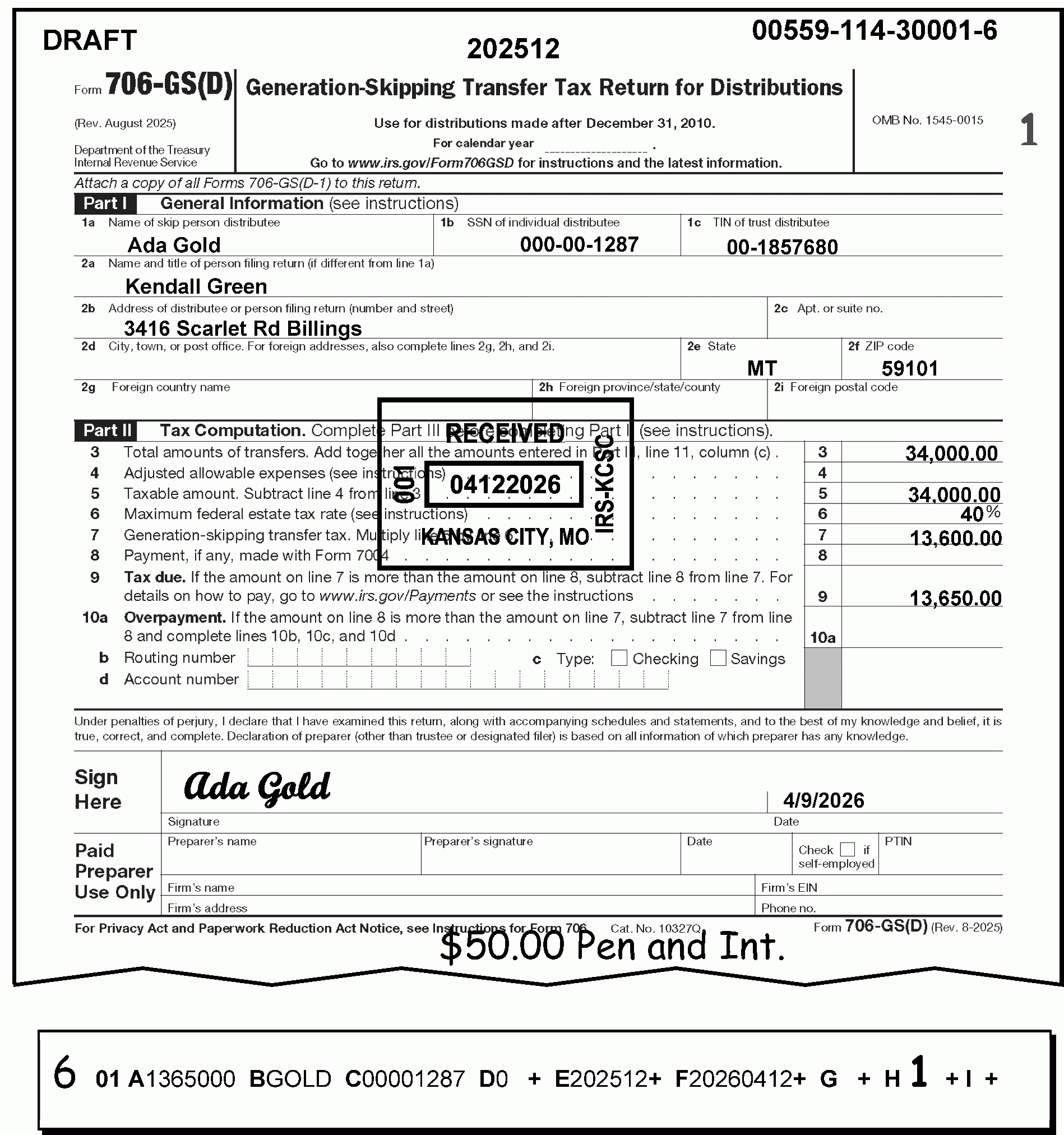
3 12 106 Estate Tax Returns Paper Correction Processing
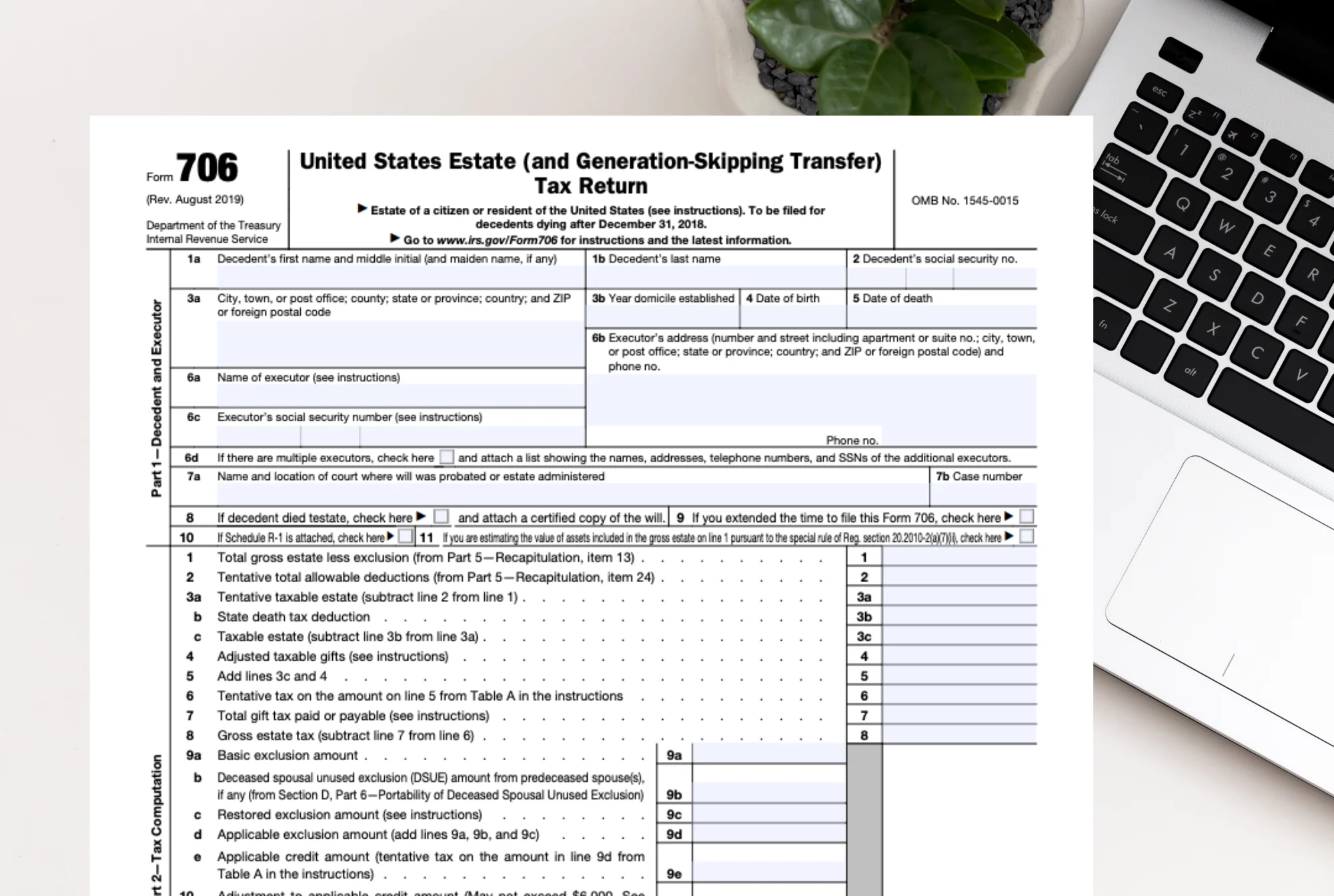
Estate Tax Returns Demystified A Tax Preparer s Resource For IRS Form
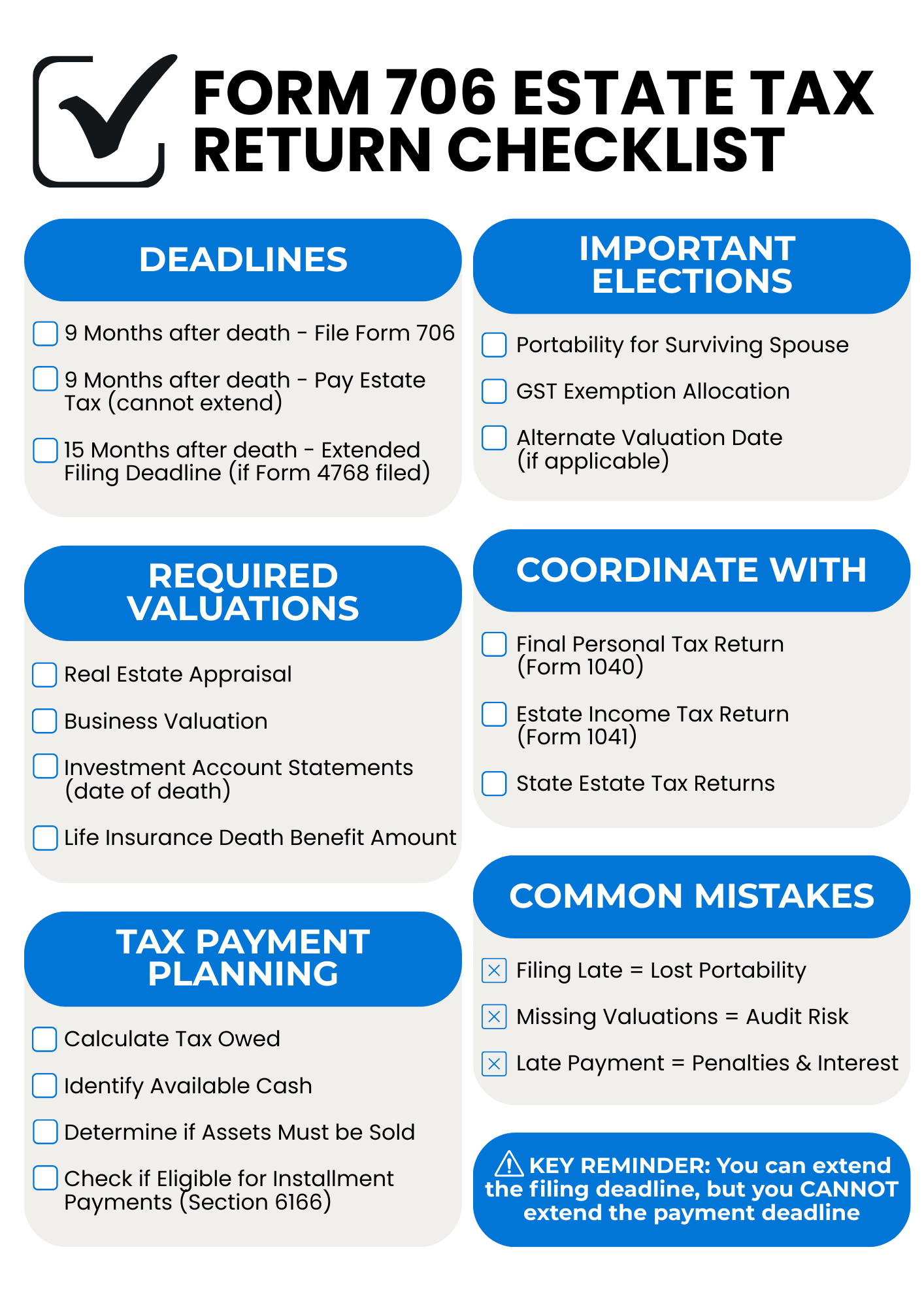
From Death To Deadlines An Overview Of Form 706 Federal Estate
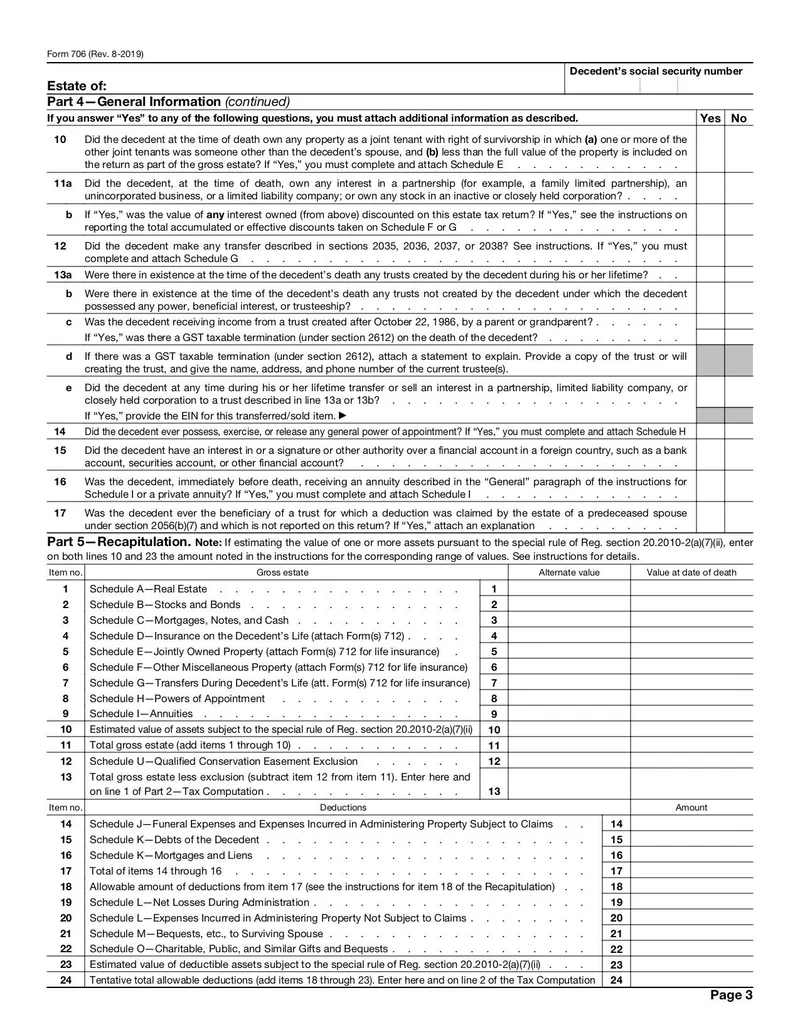
Form 706 Fill And Sign Online With Lumin
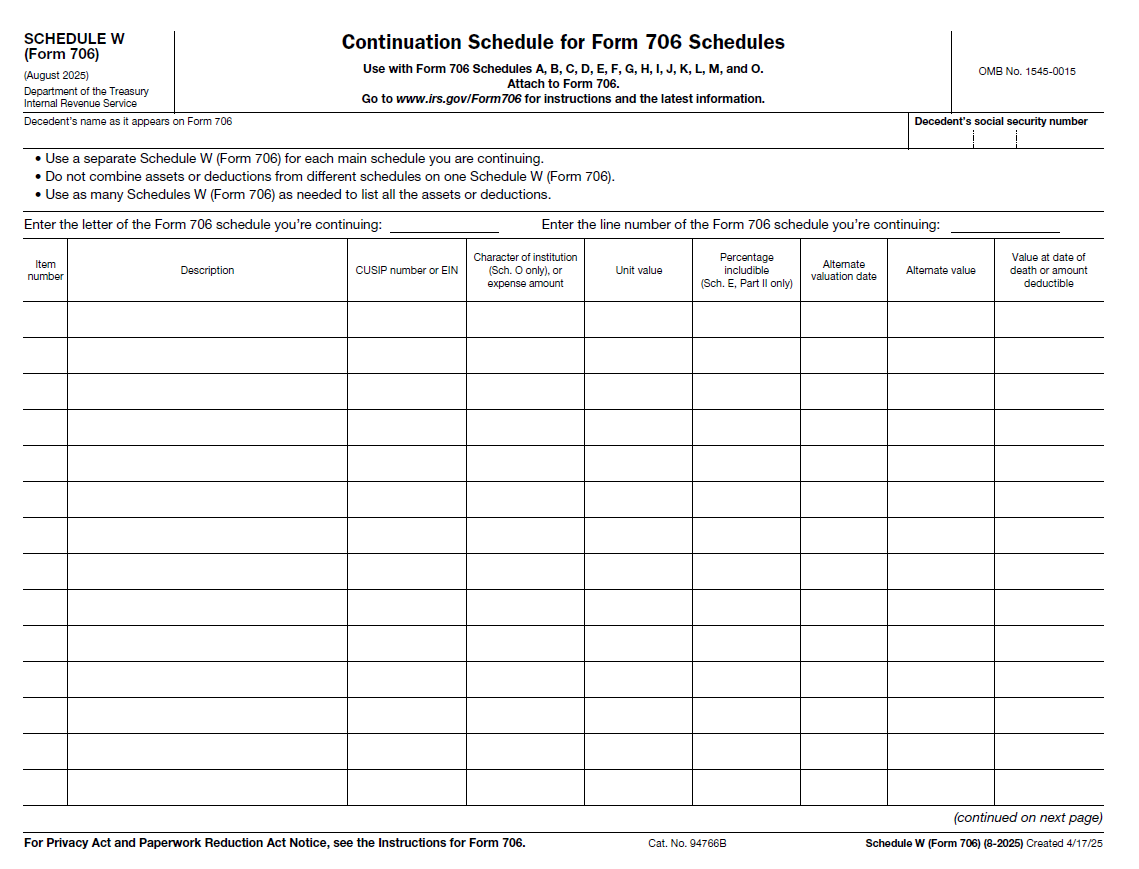
2025 Changes To IRS Form 706 By Griffin Bridgers