If you’re like many taxpayers, the thought of filling out IRS forms can be overwhelming. However, understanding the process can make it much easier. One important form to be aware of is the IRS Form Schedule D 2026.
When it comes to taxes, knowledge is power. The IRS Form Schedule D 2026 is used to report capital gains and losses from the sale of assets. This form is crucial for individuals who have investments or have sold property.
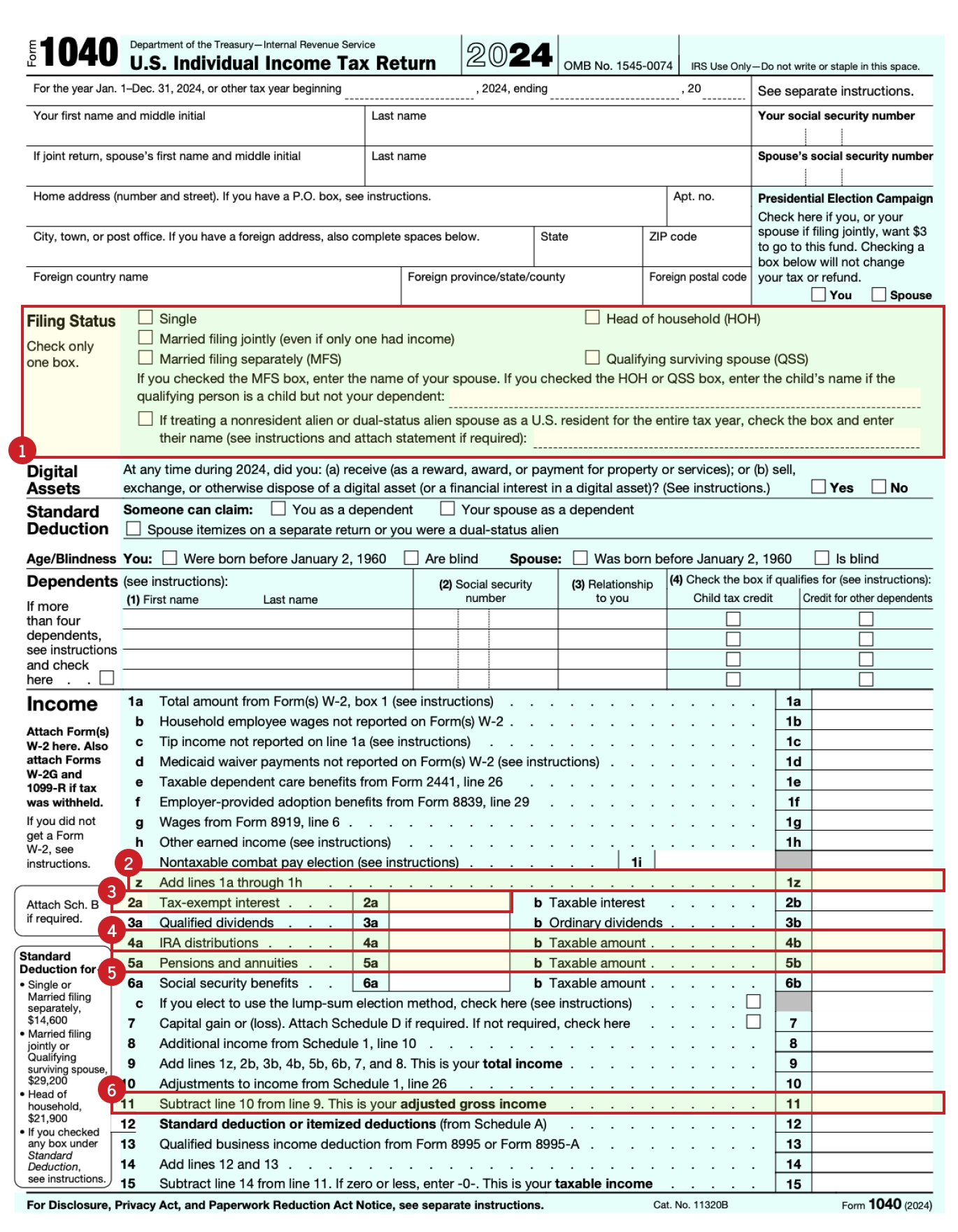
Irs Form Schedule D 2026
Understanding IRS Form Schedule D 2026
When filling out the IRS Form Schedule D 2026, it’s important to gather all necessary documentation, such as receipts and statements. Be sure to accurately report each transaction to avoid any discrepancies that could trigger an audit.
One key aspect of the IRS Form Schedule D 2026 is the distinction between short-term and long-term capital gains. Understanding the difference between these two types of gains can impact how much tax you owe.
Remember, accuracy is key when completing IRS forms. Double-check all information before submitting your tax return to ensure there are no errors. If you’re unsure about any part of the form, don’t hesitate to seek guidance from a tax professional.
By familiarizing yourself with the IRS Form Schedule D 2026 and understanding its requirements, you can navigate the tax-filing process with confidence. Remember, staying organized and diligent can help you avoid any potential issues with the IRS.
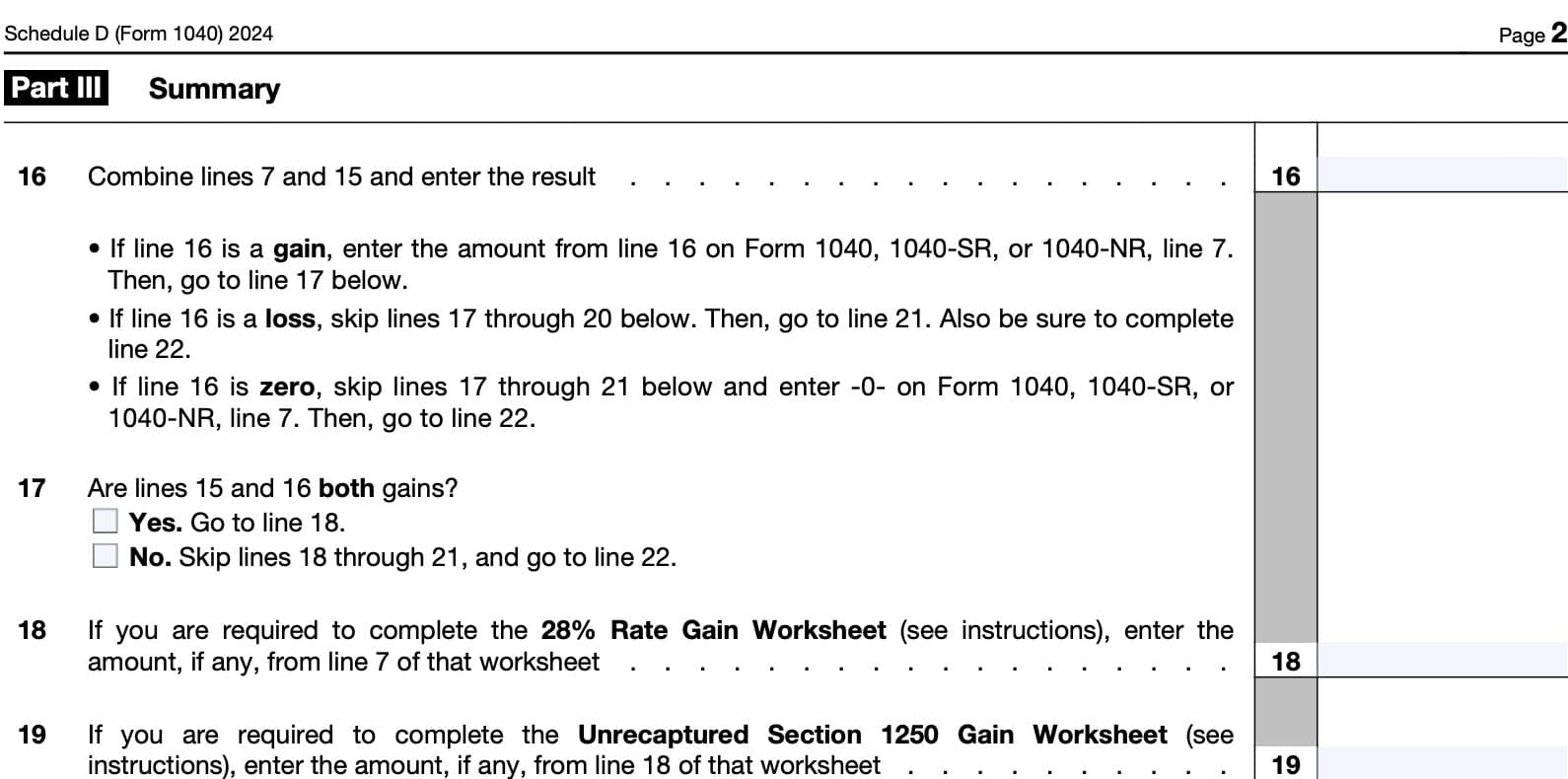
IRS Schedule D Instructions Capital Gains And Losses
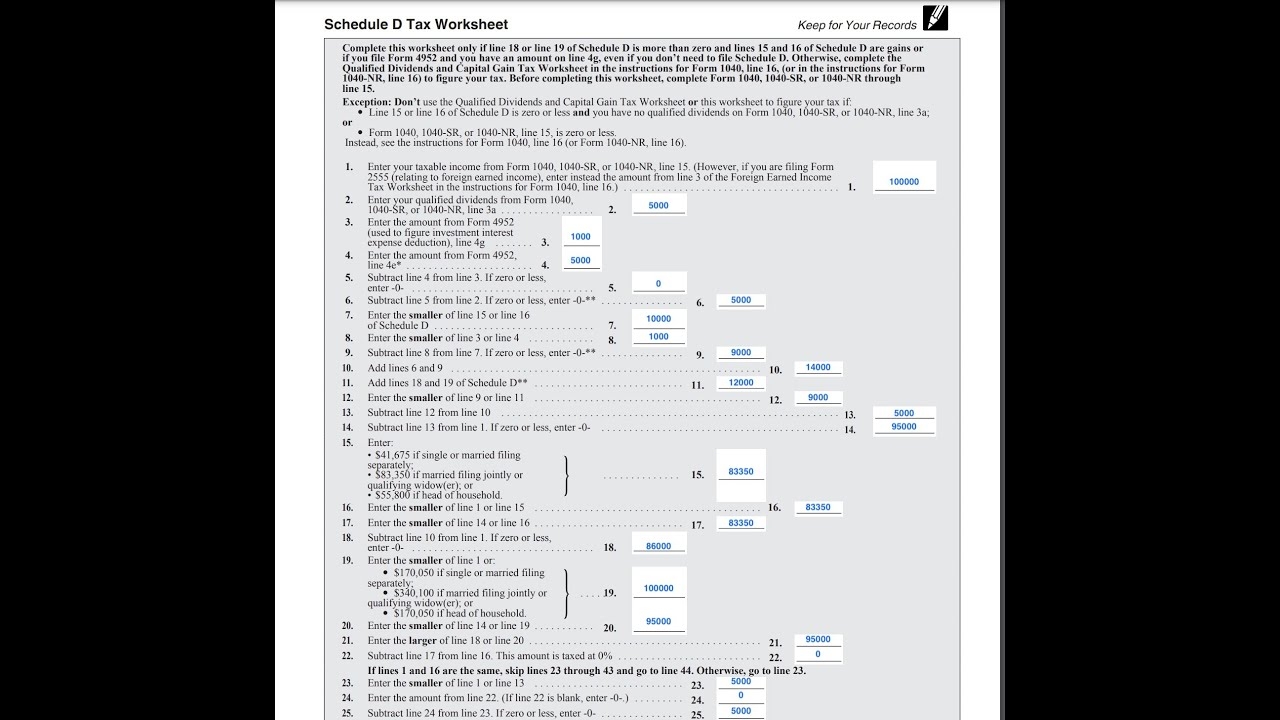
IRS Schedule D Instructions Capital Gains And Losses
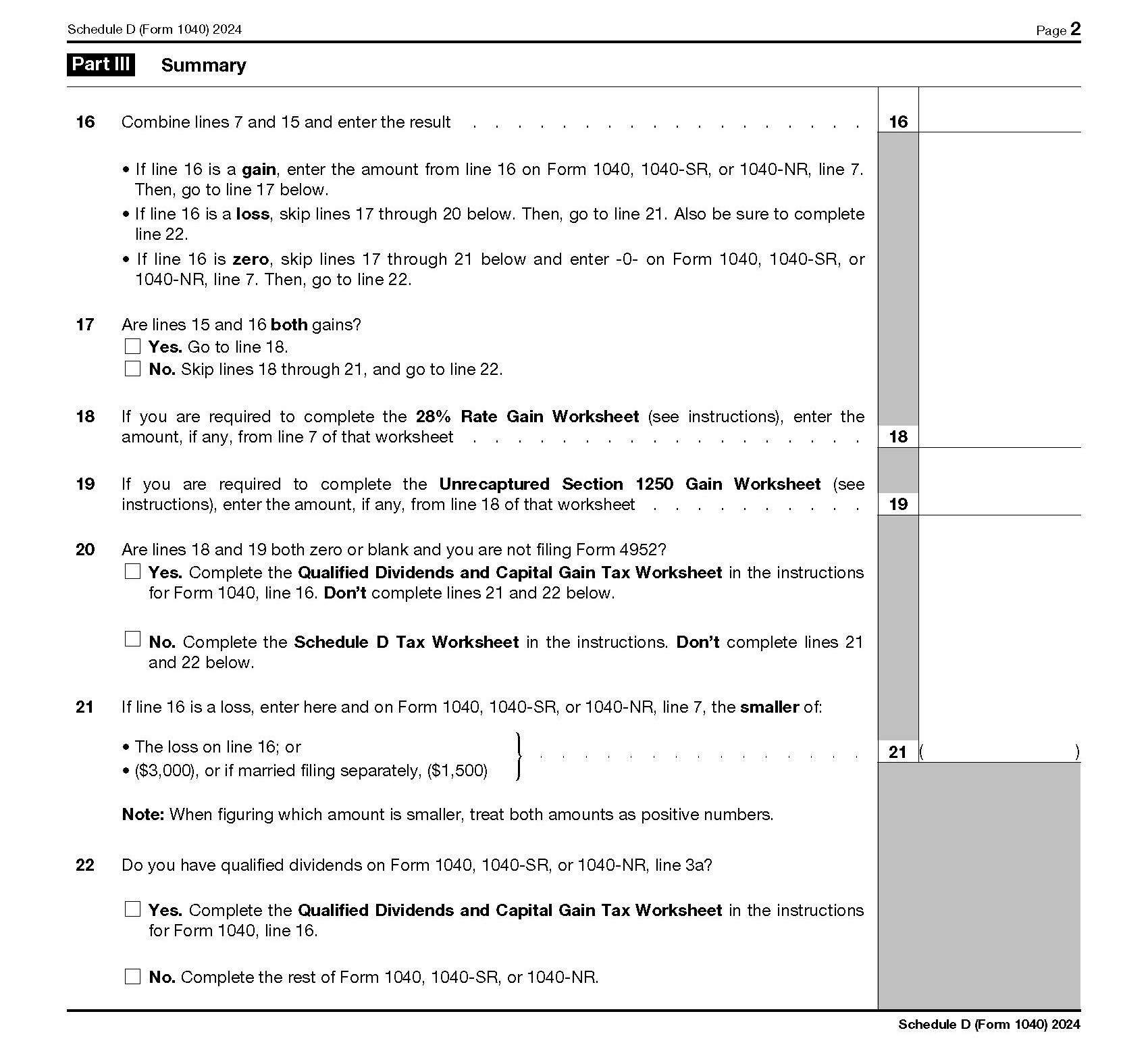
How To Complete IRS Schedule D Form 1040
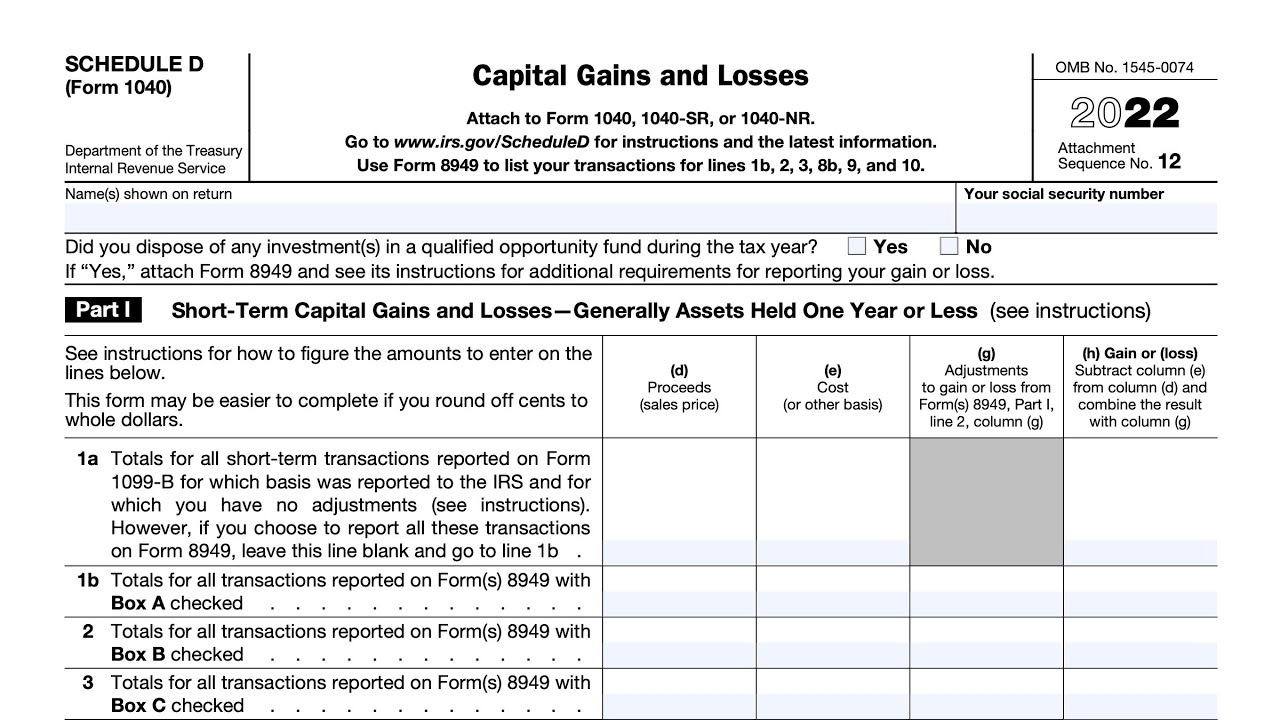
IRS Schedule D Walkthrough Capital Gains And Losses
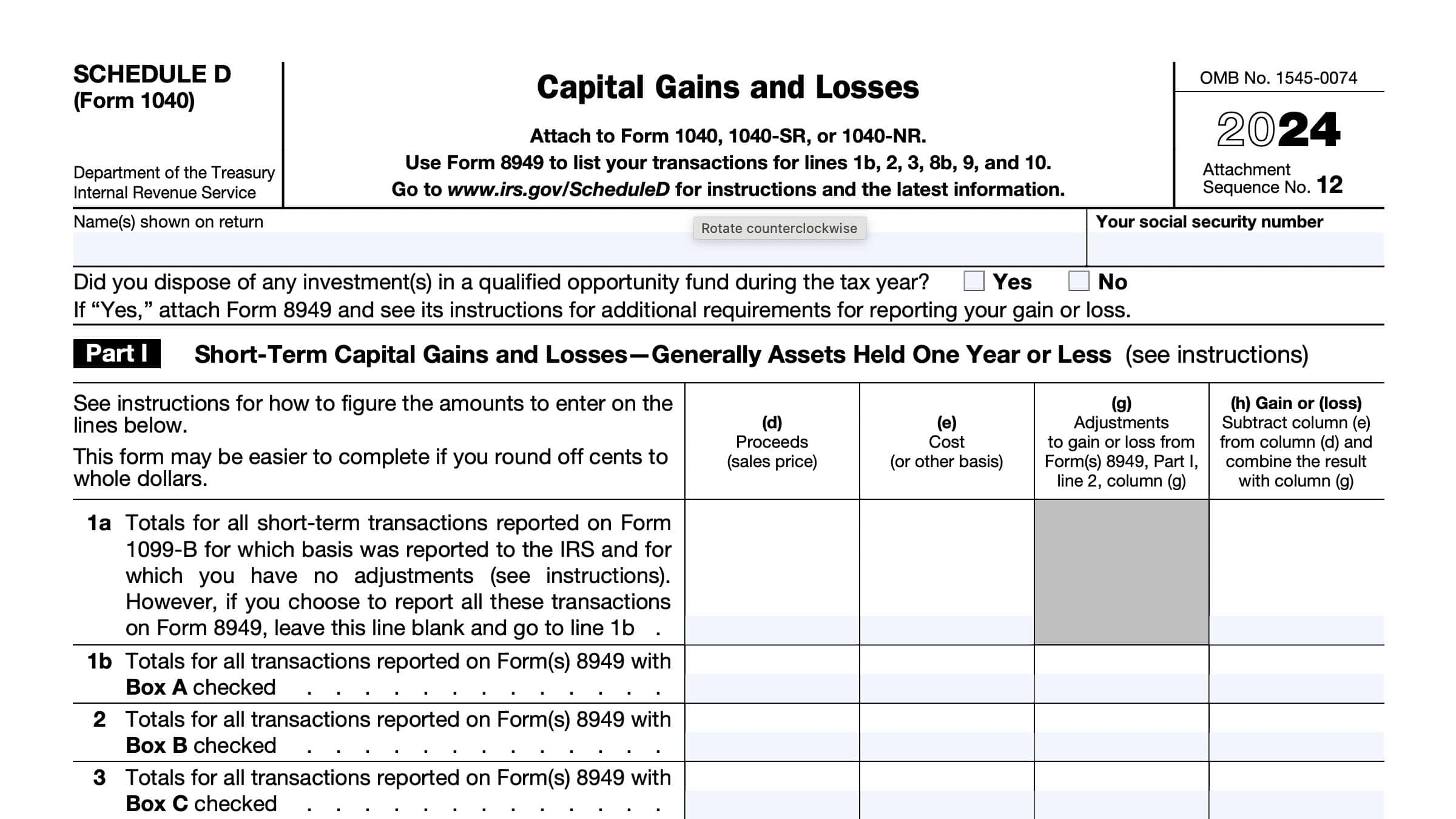
IRS Schedule D Instructions Capital Gains And Losses