When it comes to filling out IRS forms, one important aspect to pay attention to is the signature requirements. Understanding what is needed can save you time and hassle in the long run.
Signing your forms correctly is crucial to ensure that your documents are processed smoothly and without any delays. The IRS has specific guidelines in place to make sure that your signature is valid.
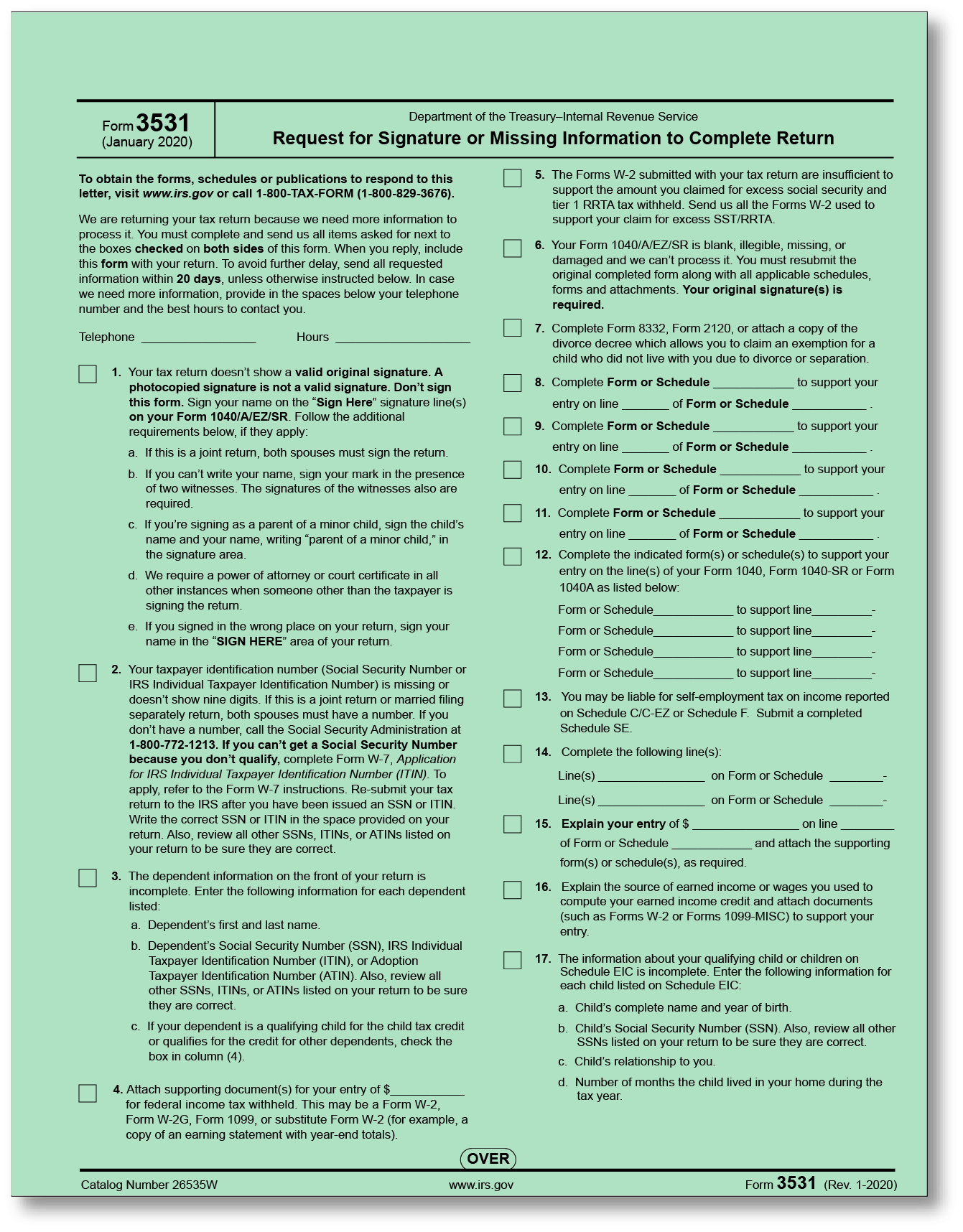
Irs Form Signature Requirements
Irs Form Signature Requirements
First and foremost, make sure that you sign your forms using your legal name. Avoid using nicknames or aliases, as this could lead to your forms being rejected.
Additionally, always sign your forms in ink. Digital or electronic signatures are not accepted by the IRS, so be sure to use a pen to sign your documents.
It is also important to date your signature on the form. This helps the IRS verify that the signature is current and valid, further ensuring the authenticity of your submission.
Lastly, if you are filing a joint return with your spouse, both of you must sign the form. Failure to do so could result in your return being rejected or delayed.
By following these IRS form signature requirements, you can ensure that your documents are processed efficiently and accurately. Remember, paying attention to the details can save you time and frustration in the long run.
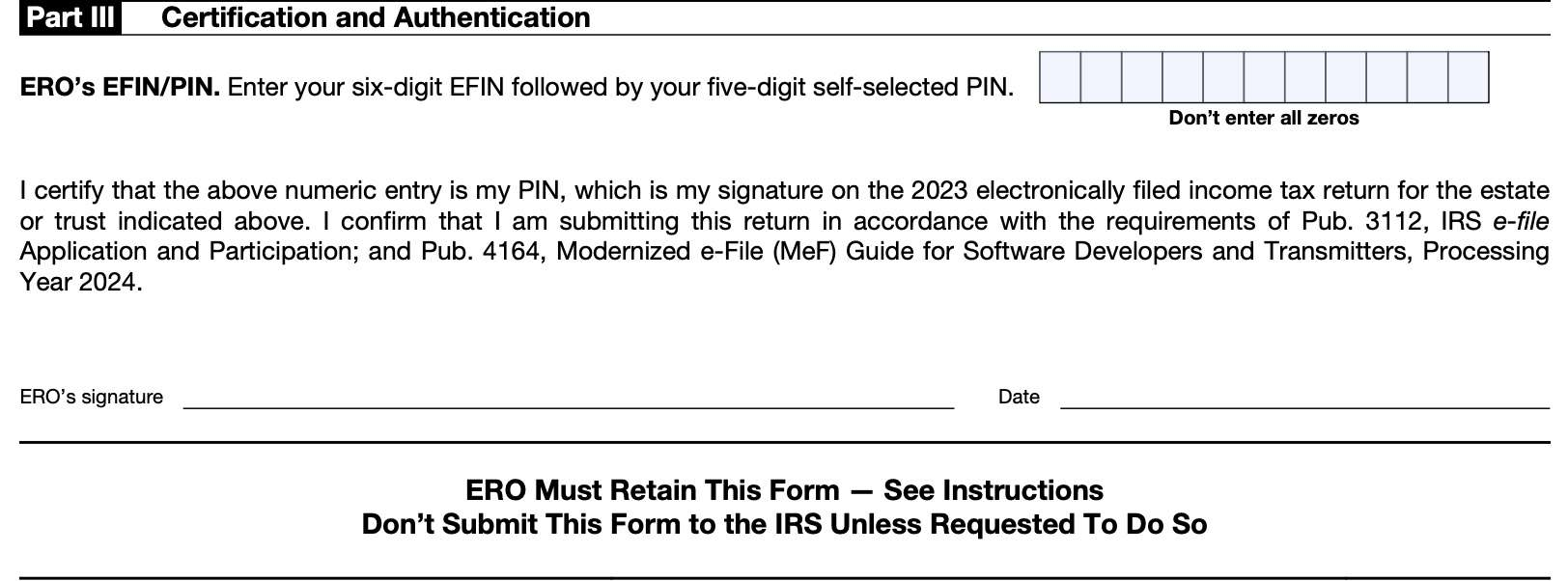
IRS Form 8879 F Instructions E File Signature For IRS Form 1041
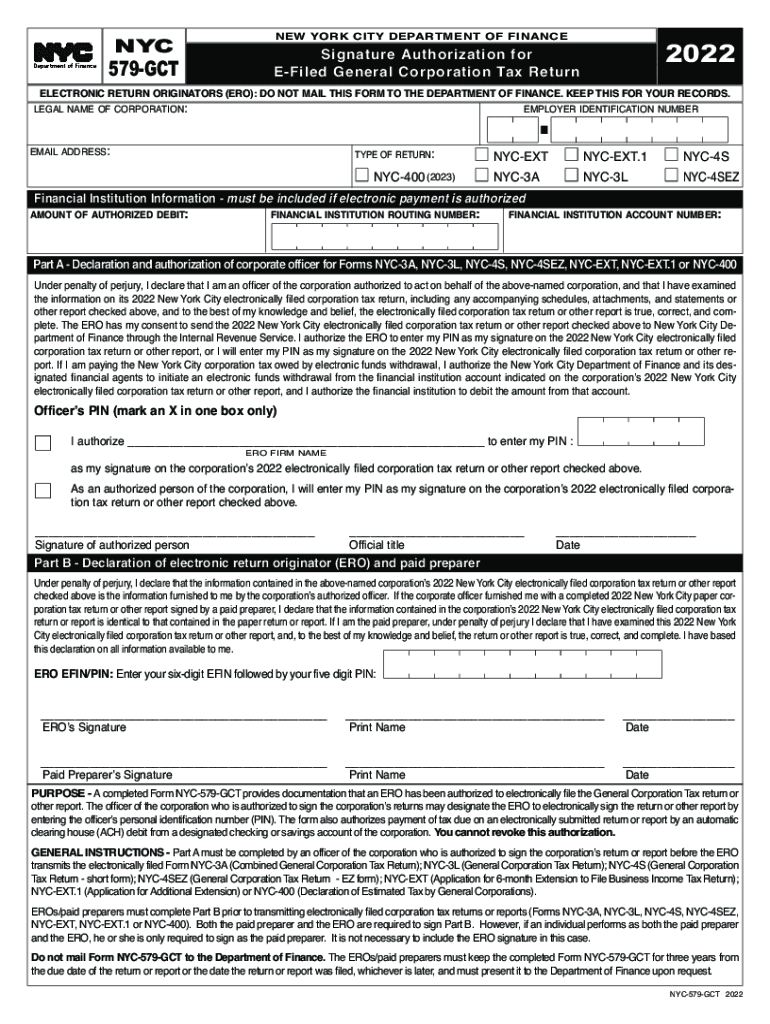
IRS E file Signature Authorization For Form 1120 Fill Out amp Sign
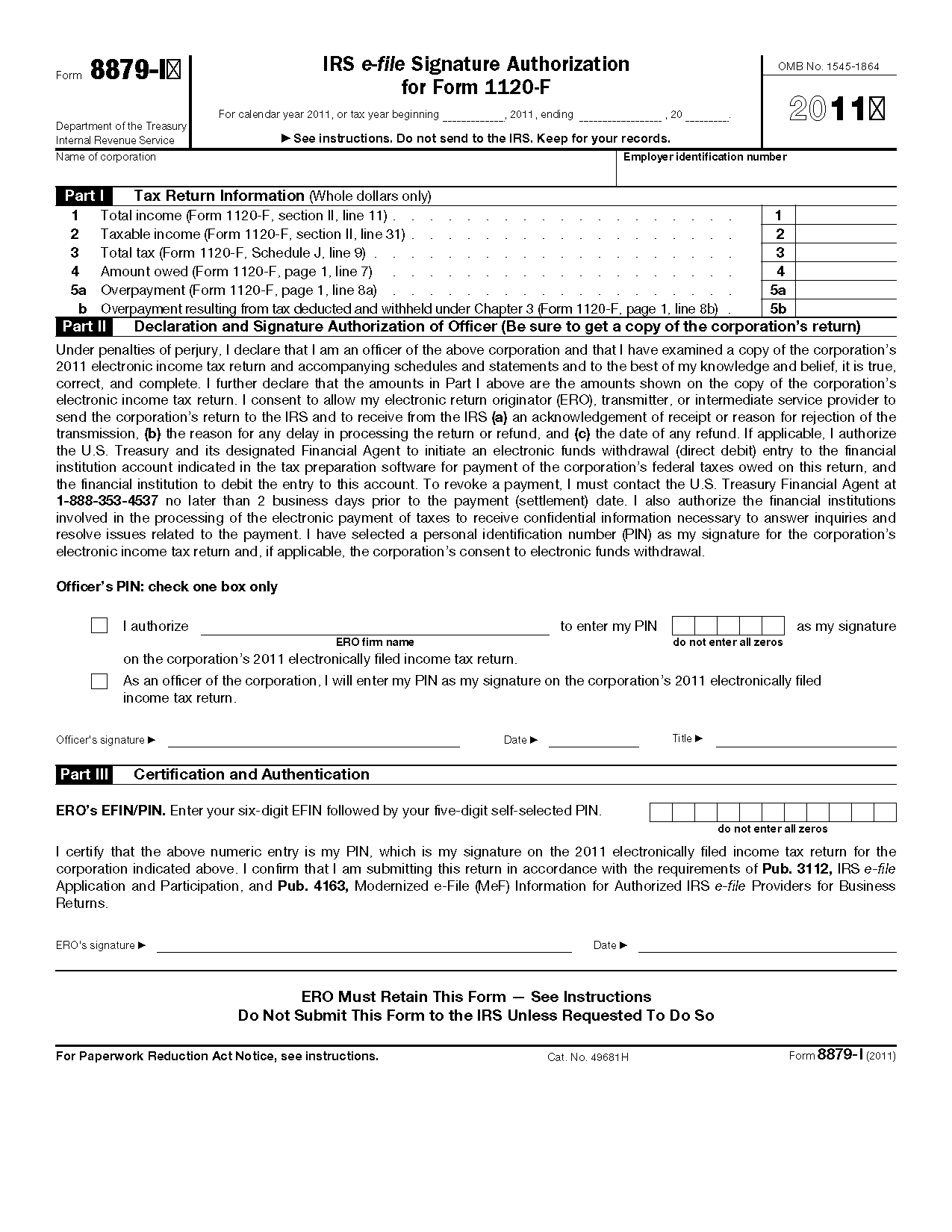
Downloadable Form 8879 IRS E File Signature Authorization 2014
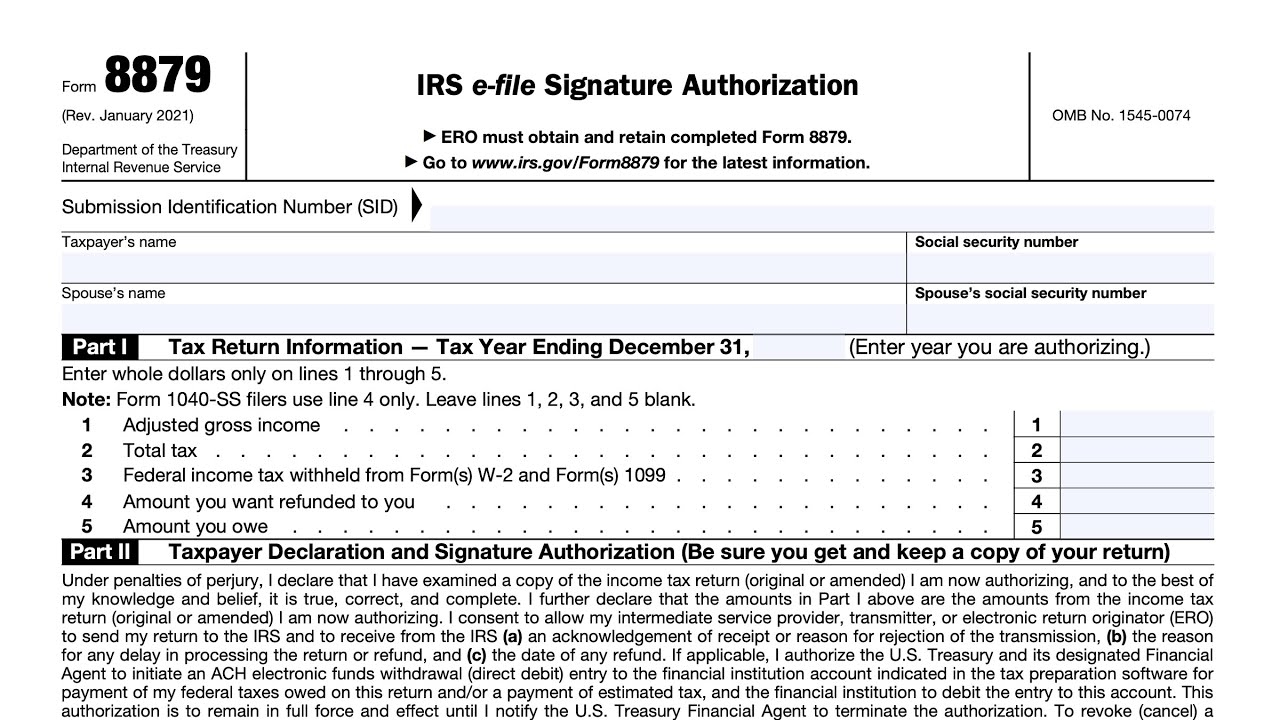
IRS Form 8879 Walkthrough IRS E file Signature Authorization
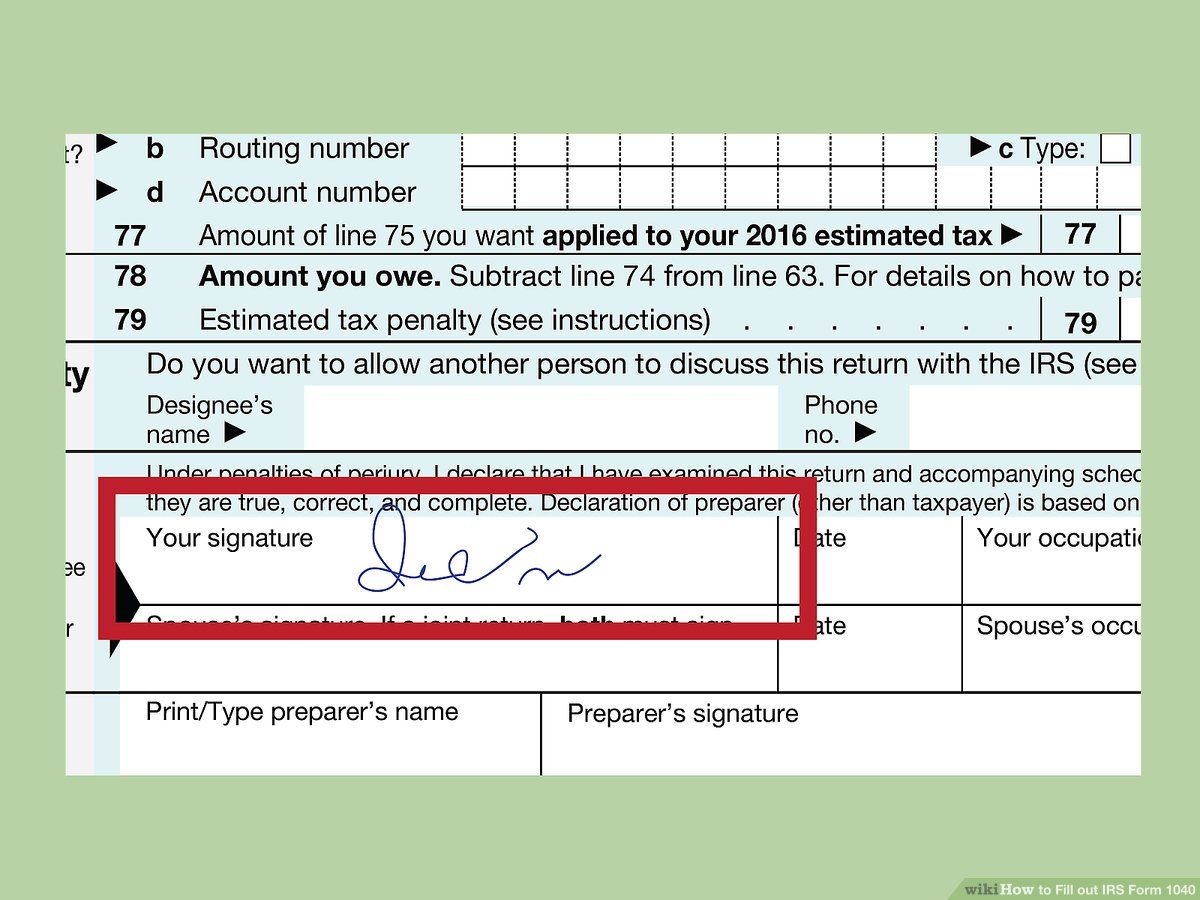
How To Fill Out IRS Form 1040 with Pictures WikiHow