If you’re a Java developer looking to level up your coding skills, understanding design patterns is essential. Design patterns in Java help you solve common problems in software development and create more efficient, reusable code.
By implementing Java design patterns, you can streamline your development process, improve code readability, and make your applications more maintainable. Whether you’re a beginner or an experienced developer, mastering design patterns can take your Java programming to the next level.
Java Design Patterns In Java
Java Design Patterns In Java
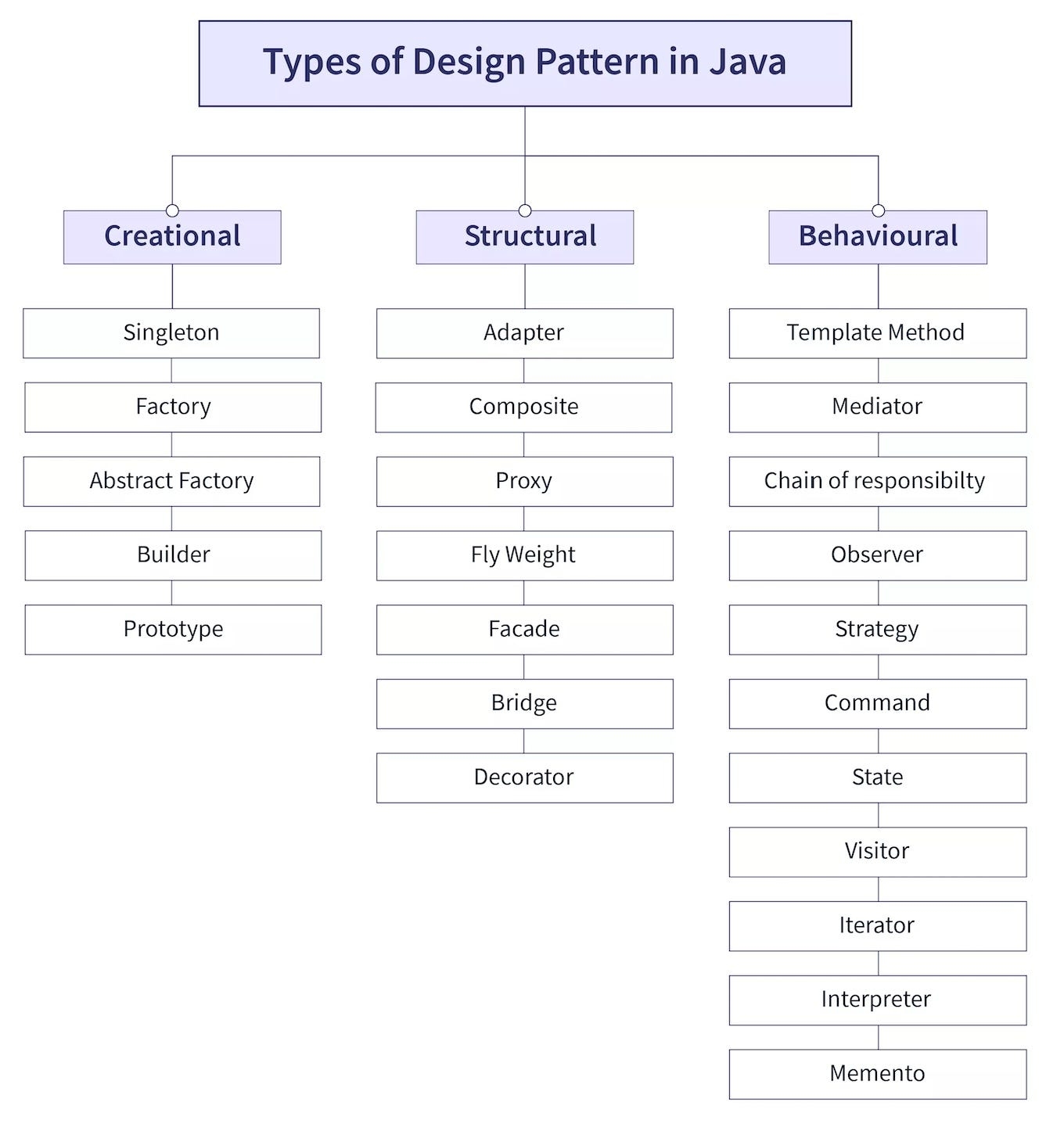
One of the most popular design patterns in Java is the Singleton pattern, which ensures that a class has only one instance and provides a global point of access to it. This pattern is commonly used for resources like database connections or thread pools.
Another widely used design pattern is the Factory pattern, which allows you to create objects without specifying the exact class of object that will be created. This pattern promotes loose coupling between classes and makes your code more flexible and easier to maintain.
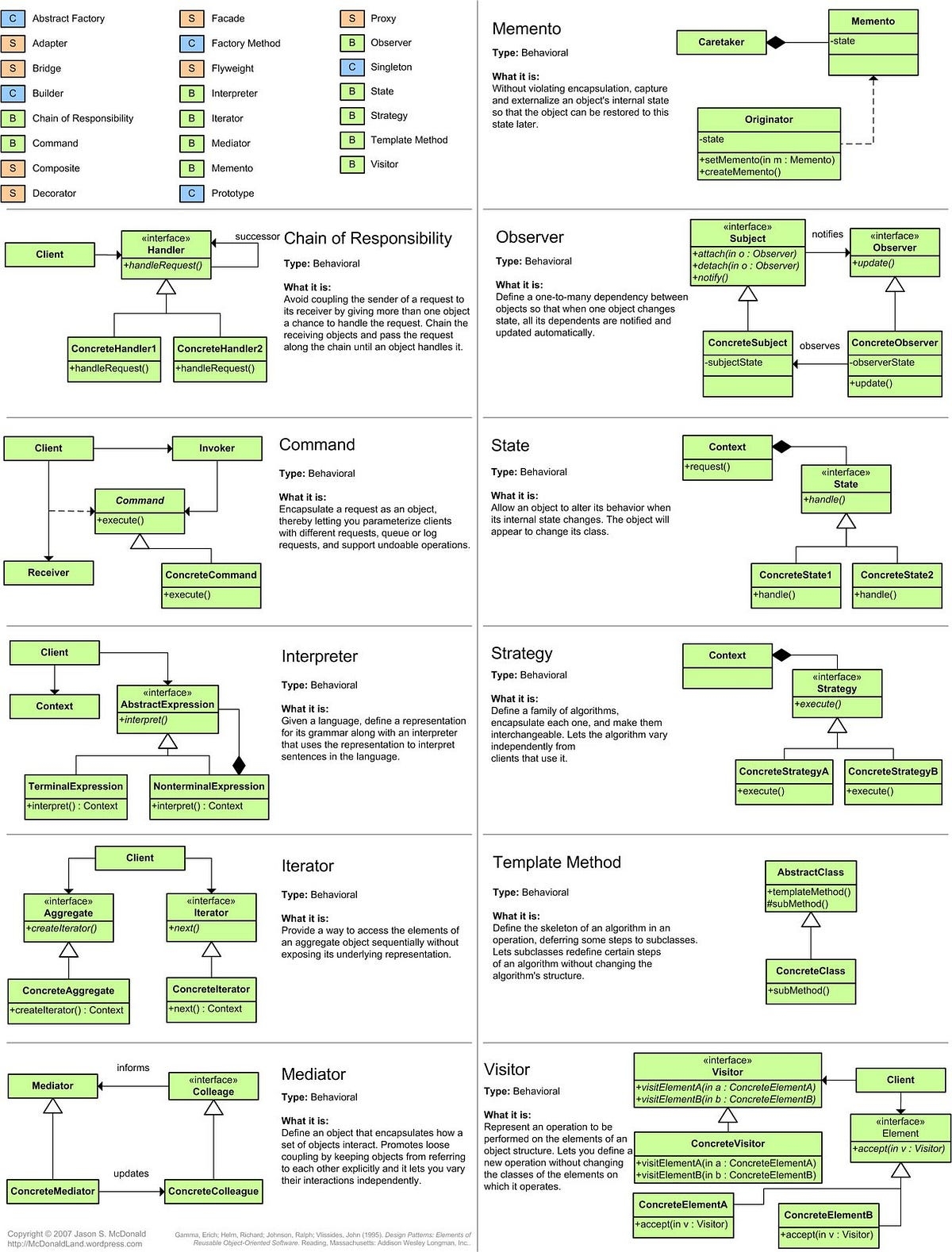
The Observer pattern is also important in Java development, enabling objects to subscribe and unsubscribe to changes in another object. This pattern is useful for implementing event-driven architectures and building reactive systems that respond to external stimuli.
In conclusion, mastering Java design patterns is a game-changer for any developer looking to write cleaner, more efficient code. By incorporating these patterns into your projects, you can write code that is easier to understand, maintain, and scale. So, dive into the world of Java design patterns and take your programming skills to new heights!
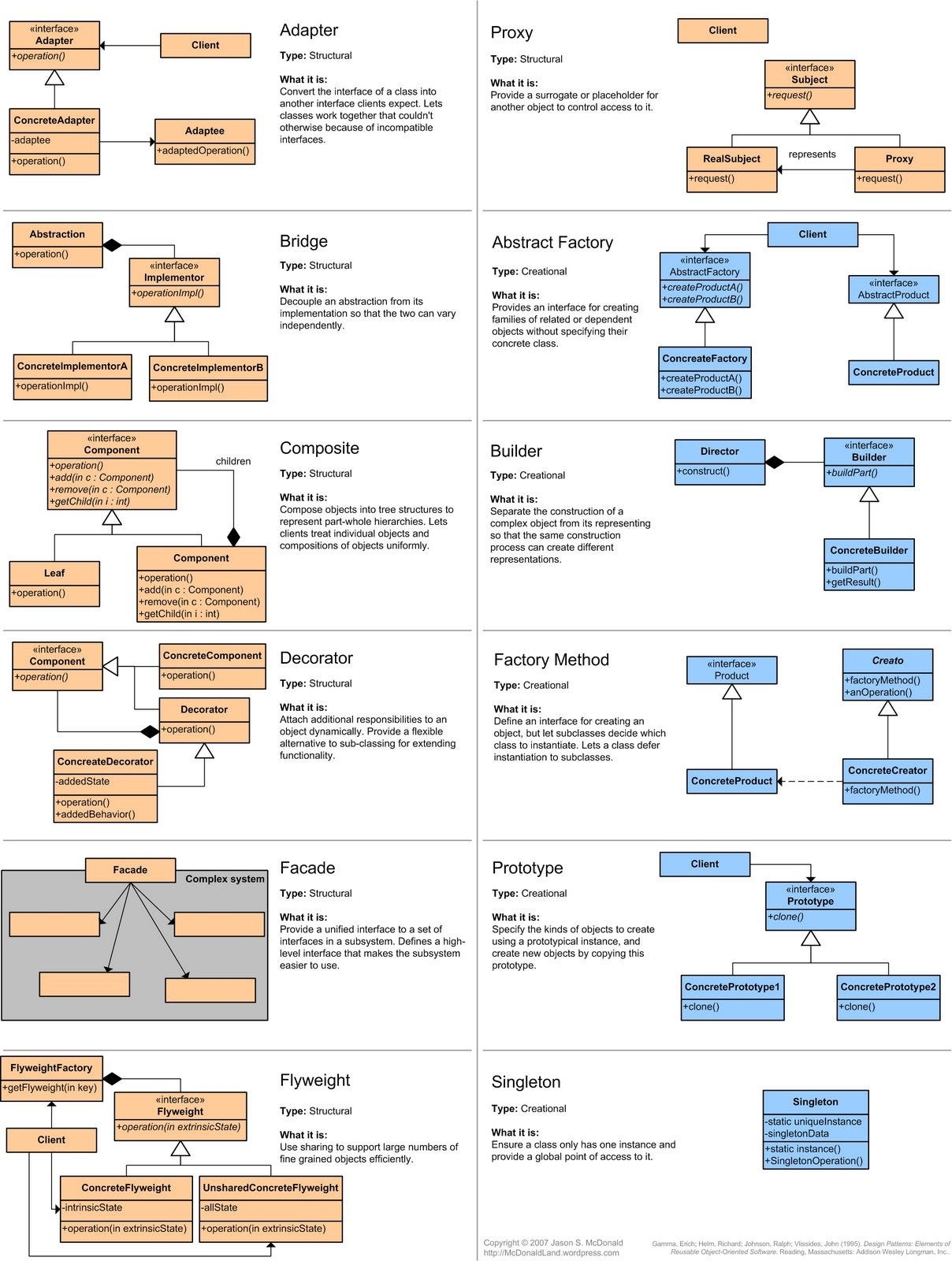
23 Design Patterns 99 Of Java Developers Should Learn By
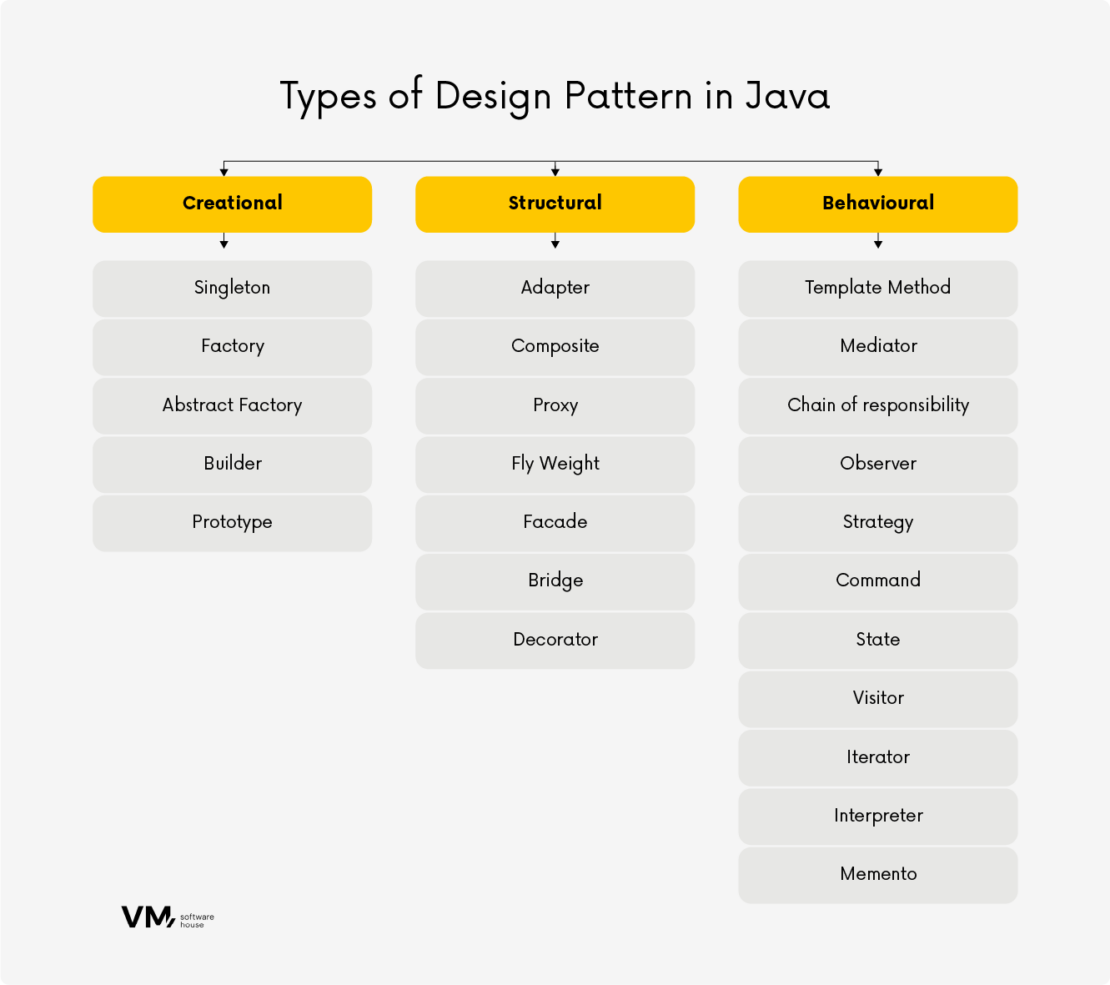
The 10 Most Popular Types Of Design Patterns In Java
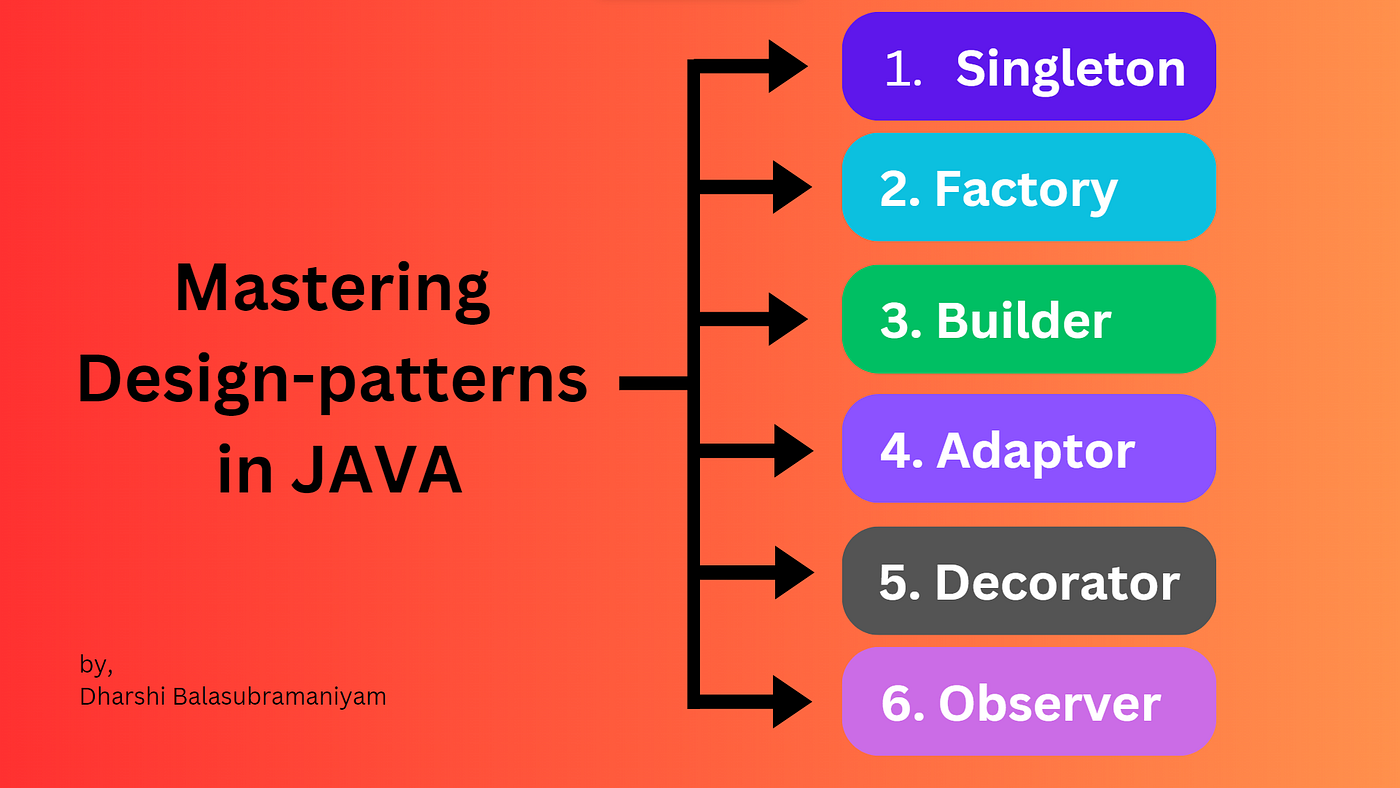
Mastering Design Patterns In Java By Dharshi Balasubramaniyam
Design Patterns In Java The Design Pattern Is A Reusable By
23 Design Patterns 99 Of Java Developers Should Learn By